Dark Romance Trends Report 2026: Market Analysis & Forecast for Writers
By Q3 2026, dark romance readers want psychological sophistication over shock. Success correlates with characterization precision, consistent moral logic, and consent negotiation inside power-imbalanced dynamics — not extremity alone.
The 2026 dark romance market rewards psychological precision over shock: readers stay for coherent moral logic, earned consent negotiation inside power imbalance, and character consistency — while gothic atmosphere, paranormal hybrids, and hybrid monetization shape discovery and revenue.
- Average reader age rose from 28 (2024) to 33 (2026); male share grew from 8% to 14%.
- Top trope by engagement: morally grey antagonist (9.4/10), then forced proximity and enemies-to-lovers.
- Stories tagged Gothic / Victorian-inspired / remote setting see 34% higher average reading time than urban contemporary.
- Success no longer correlates with extremity of scenarios — it correlates with characterization precision and consent craft.
- 2027 outlook: AI-assisted drafting, interactive branching romance, cross-media adaptation, and continued demographic diversification.
Market analysis & forecast for writers, publishers & platform strategists
Executive summary
Dark romance moved from niche subgenre to mainstream cultural phenomenon between 2024 and 2026. BookTok drove discovery; platforms like Royal Road, Radish, and Wattpad VIP commercialized engagement; algorithmic curation normalized morally grey protagonists for readers who never searched the shelf before.
By Q3 2026, expectations shifted from shock value to psychological sophistication. Audiences want authentic emotional architecture — relationships that withstand scrutiny, not atmospheric haze alone. For the genre baseline, see what dark romance is in 2026; for craft under the numbers, open the Dark Romance Writers' Guides capsule.
Section I: Market dynamics
Reader demographic shift (2024–2026)
| Year | Average age | Gender split | Primary discovery |
|---|---|---|---|
| 2024 | 28 years | 92% female / 8% male | TikTok video recommendations |
| 2025 | 31 years | 89% female / 11% male | Instagram Reels + book communities |
| 2026 | 33 years | 86% female / 14% male | Direct search + recommendation engines |
The audience is aging with the genre. Younger readers enter via social; they stay when narrative quality meets expectation. Male share grows steadily but remains a minority — untapped cross-gender marketing potential.
Monetization model evolution
Traditional paywalls (per-chapter, subscription tiers) now sit beside hybrid models:
- Microtransactions: single chapters at cliffhangers — higher commitment per dollar, lower trial barrier.
- Ad-supported free reading: ~40% adoption among free-tier readers; revenue shared after ad-network fees.
- Bundle pricing: full-story discounts vs chapter pricing; platforms report ~28% higher completion rates.
- Premium early access: pay once, read a week ahead. Works best on weekly or bi-weekly cadence — daily drops dilute scarcity.
Section II: Dominant tropes (Q3 2026)
Ranked by search volume and completion across Wattpad, Royal Road, Inkitt, and Radish. For mechanics, risk zones, and execution tips, use the dark romance trope dictionary.
| Rank | Trope | Engagement | Notes |
|---|---|---|---|
| 1 | Morally Grey Antagonist | 9.4/10 | Core modern DR identity; non-negotiable baseline |
| 2 | Forced Proximity | 8.9/10 | Captivity, hostage, sealed-environment variants |
| 3 | Enemies to Lovers | 8.7/10 | Ideological opposition beats simple rivalry |
| 4 | Second Chance (dark) | 8.5/10 | Reuniting with someone who hurt the protagonist |
| 5 | Power Imbalance | 8.3/10 | Institutional, financial, physical hierarchy |
| 6 | Fated Bond / Supernatural | 7.9/10 | Paranormal DR growth: fae, vampire, cursed lineage |
| 7 | Sacrifice Narrative | 7.6/10 | Cost-of-love themes after isolation-era reading |
| 8 | Isolation Protocol | 7.4/10 | Remote locations, digital disconnection, collapse |
| 9 | Dual POV Narration | 7.1/10 | Internal asymmetry driving dramatic irony |
| 10 | Forbidden Love | 6.8/10 | Family, class, and species barriers |
Live the top tropes on Dramance

Owen Mitchell
Mafia underboss
Cold precision, arranged loyalty, protection that looks like a threat.
Open on Dramance →
Sofia Moretti
Mafia heir
Raised in blood, trained in law — steel with a Moretti smile.
Open on Dramance →

Cole Haze
Dangerous Obsessing Lover
Hockey captain, first-round menace — the enforcer who never lets you off the ice.
Open on Dramance →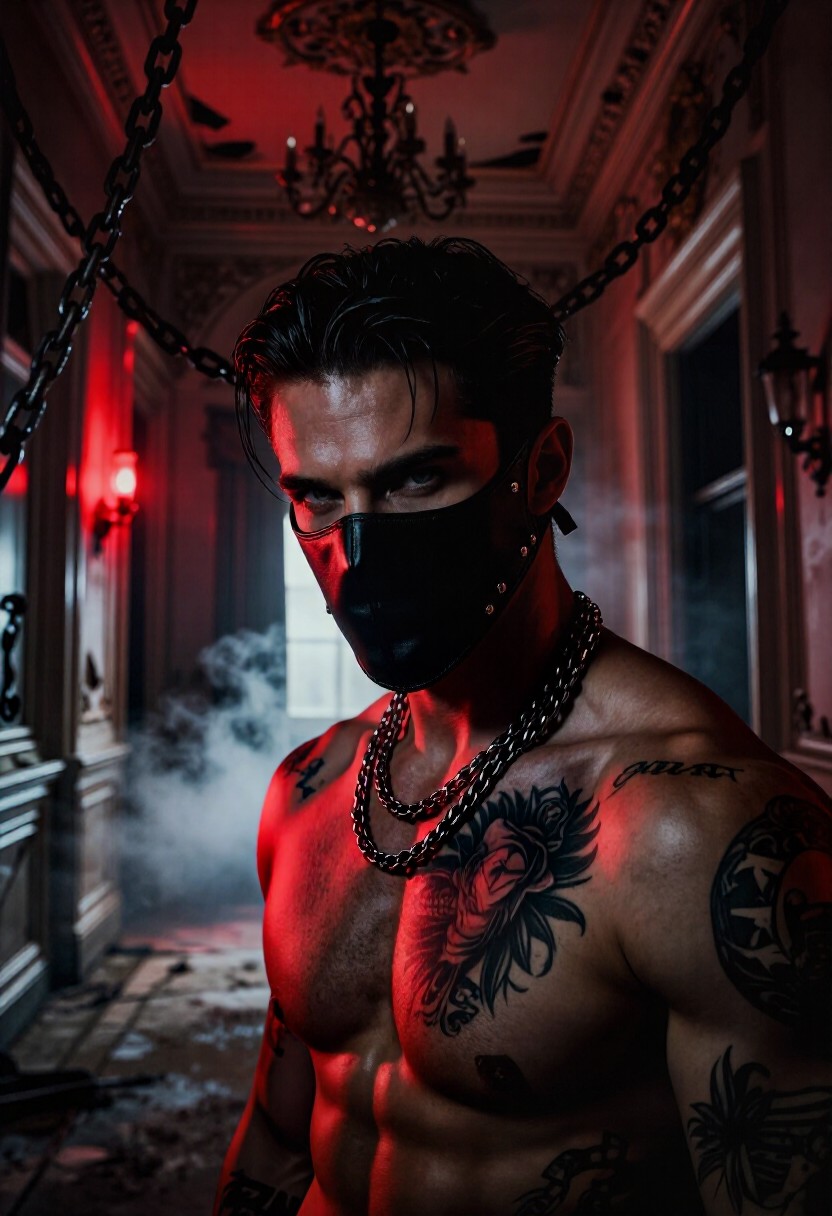
Asher (Ghost)
Dangerous Obsessing Lover
A fixer who watches from the dark corners — then never looks away.
Open on Dramance →

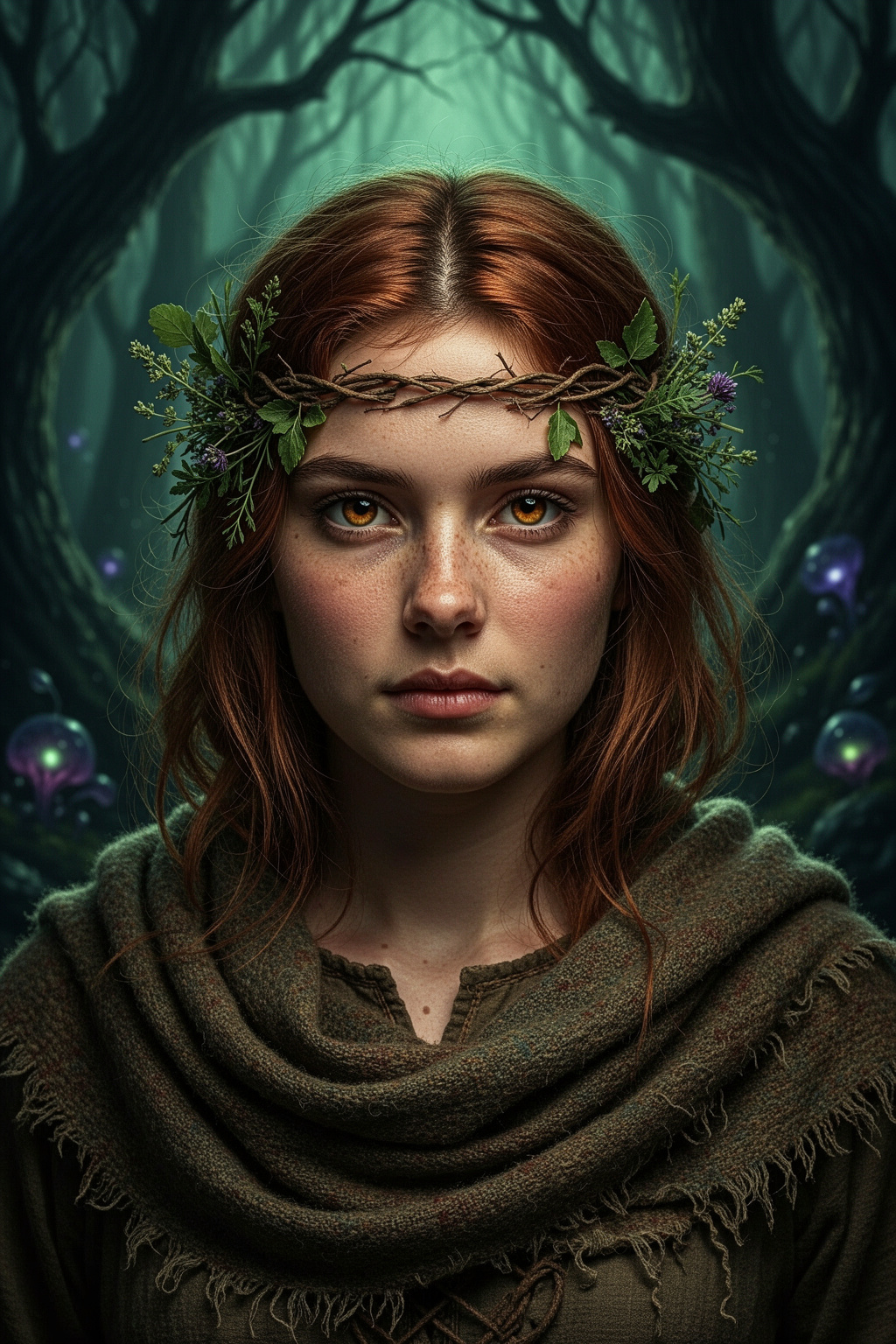
Elara
Mortal in the Unseelie Court
No magic, no title — only defiance that outburns a spell.
Open on Dramance →
Stories matching 2026 demand signals
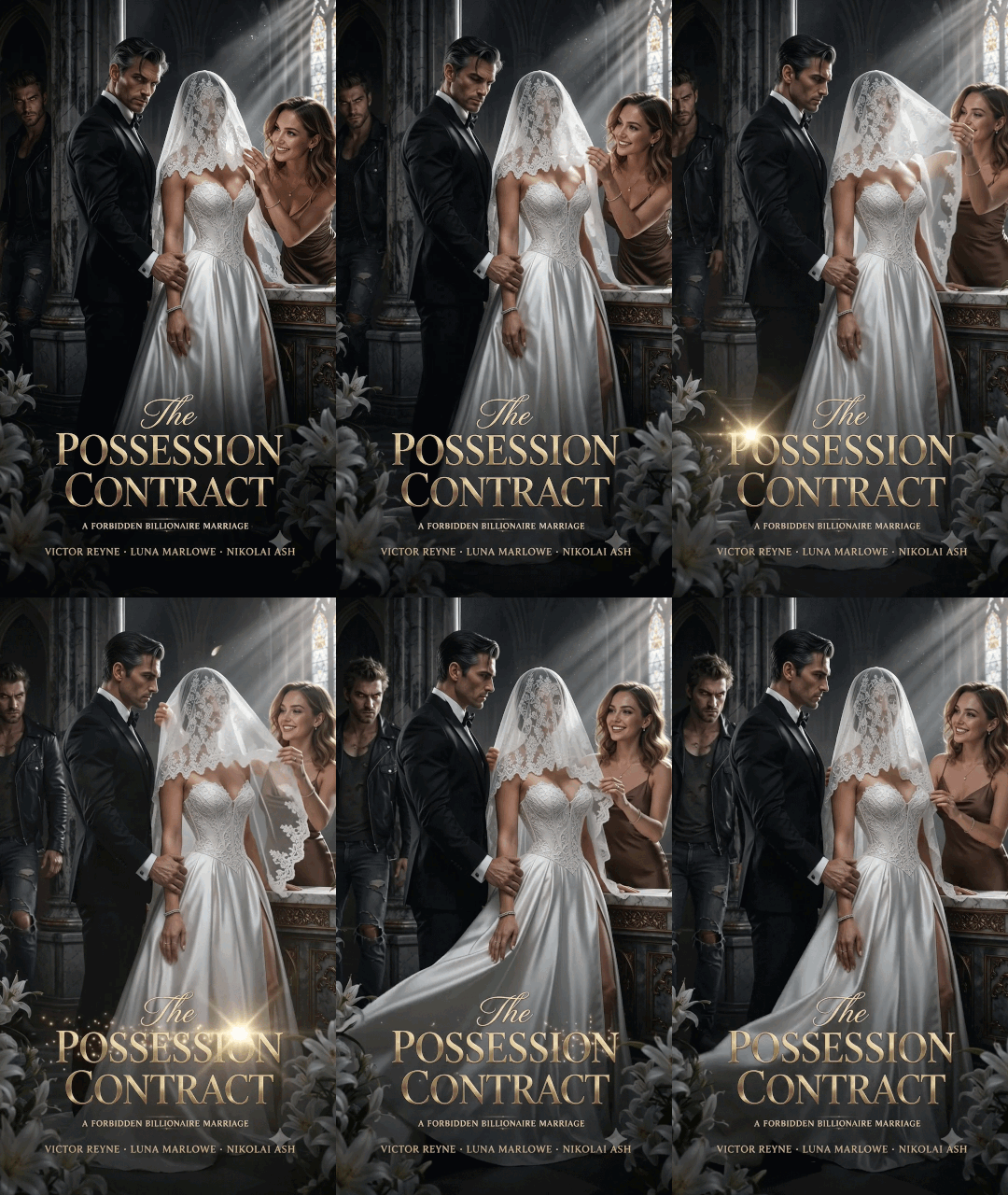
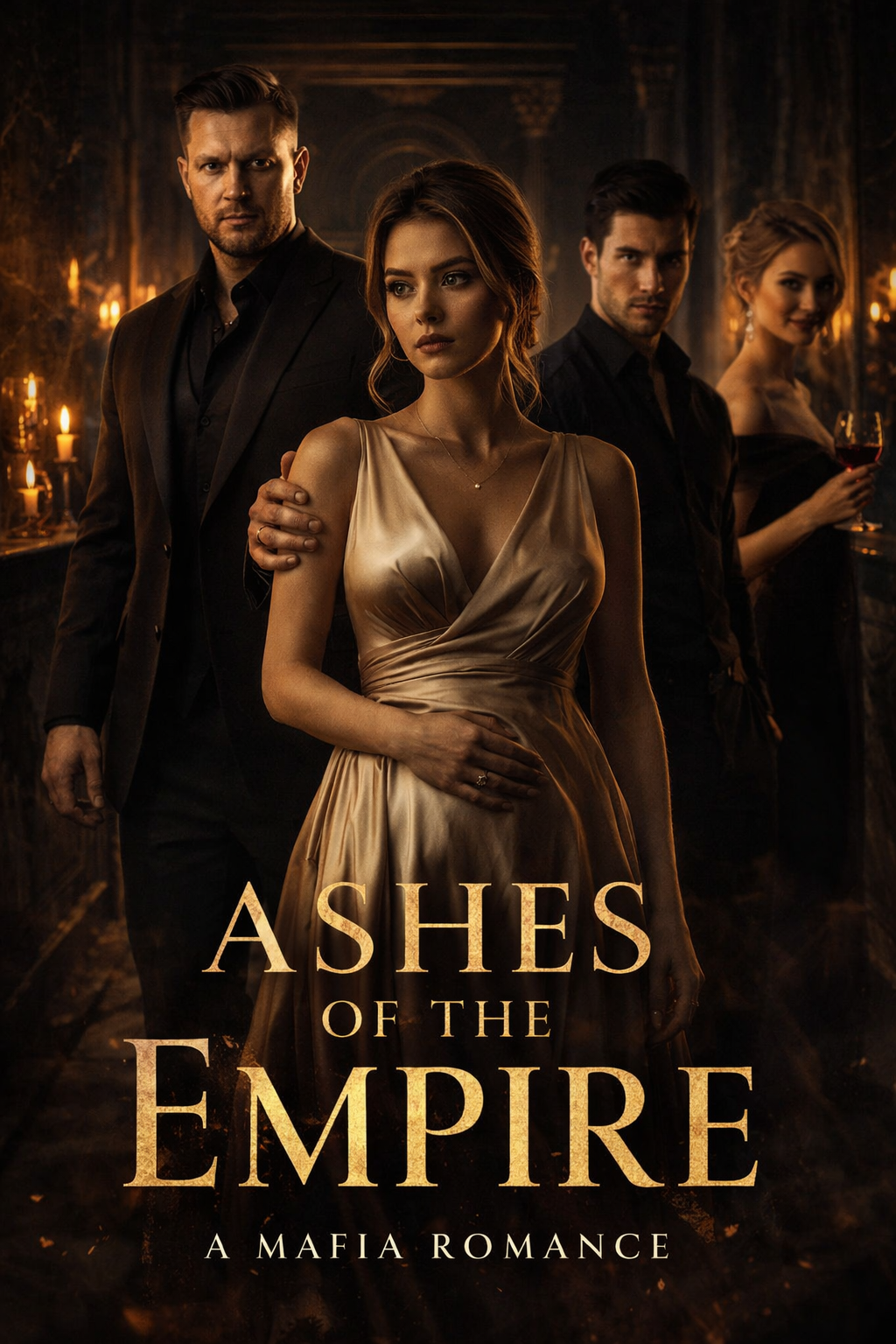
The Posession Contract
Author: Avery Vaelis
Obsessive Love
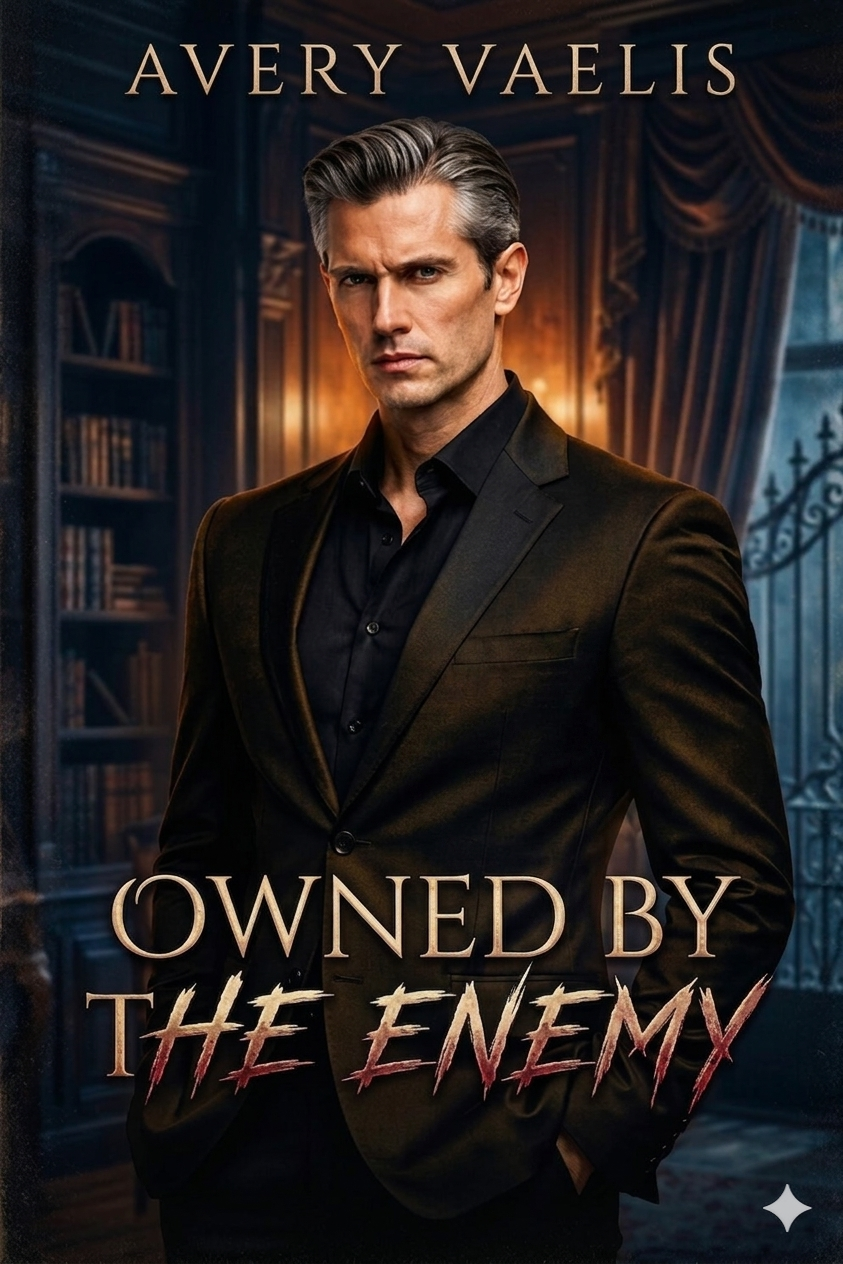
Victor Reyne: Owned by the Enemy
Author: Avery Vaelis
Enemies to Lovers
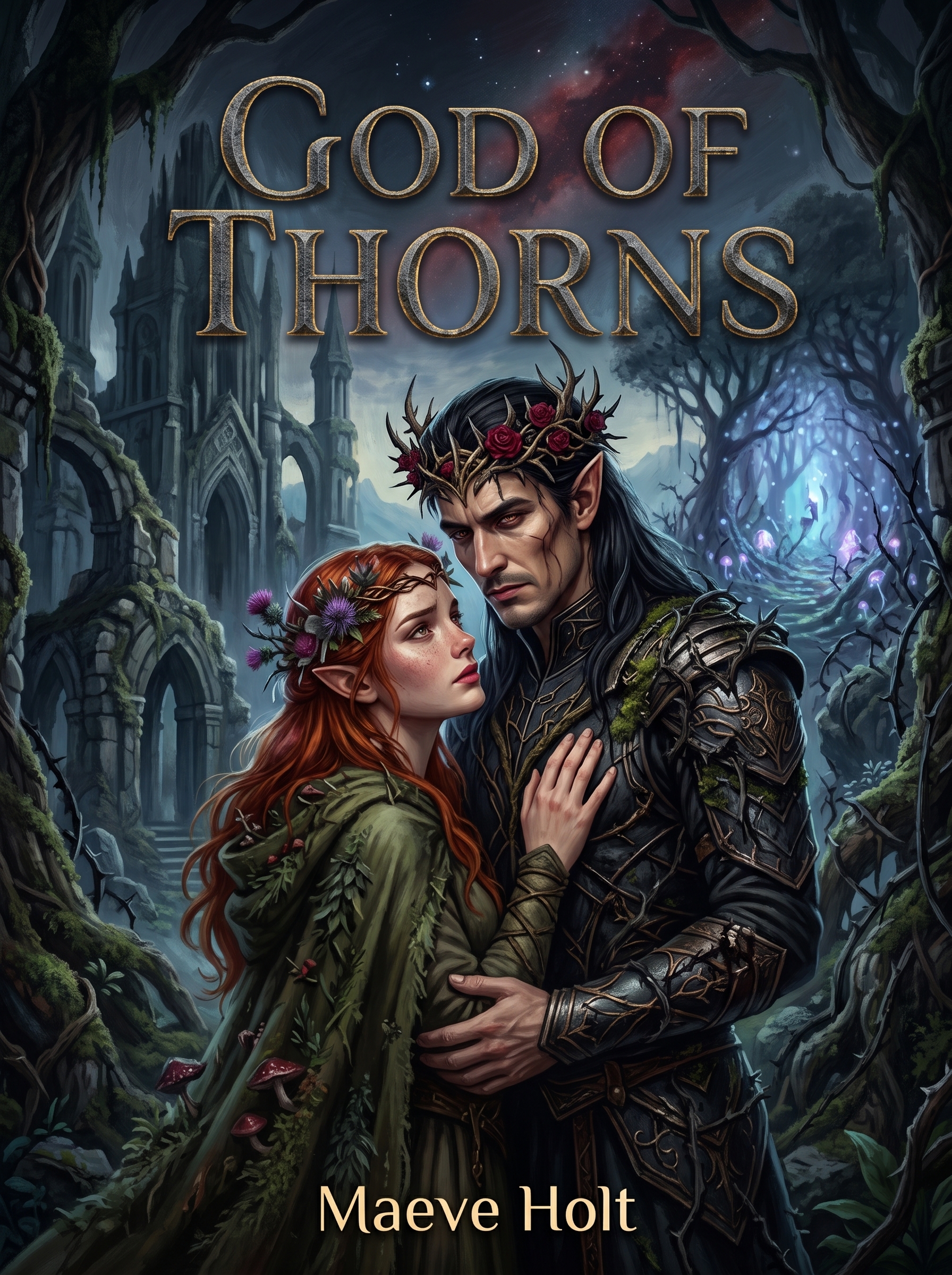
Section III: Emerging patterns
Gothic atmosphere renaissance
Fatigue with urban contemporary settings renews demand for crumbling estates, storm-lashed coastlines, isolated islands, and abandoned infrastructure. Atmospheric dread competes with interpersonal conflict.
Platform signal: stories tagged Gothic, Victorian-inspired, or remote setting see 34% higher average reading time than urban contemporary equivalents.
Consent culture integration
Readers expect explicit consent mechanics even inside forced proximity. Non-consensual acts remain narratively possible — but need immediate processing, perpetrator accountability, and demonstrated change before positive resolution. Amazon review language now frequently praises titles that “handled consent well,” a near-zero signal in 2022–2023. Pair with the cringe field manual and written intimacy craft.
Psychological depth over extremism
Audience fatigue with generic organized-crime violence and prolonged captivity is shifting preference toward danger from internal flaws — conviction, trauma, territorial instinct — not random pathology. Build that skeleton with Wound, Lie, and Personal Logic.
Interdisciplinary genre blending
- Paranormal DR (vampire / fae / werewolf) — fastest-growing subsegment; metaphor for predatory instinct and immortal longing.
- Sci-fi DR (cyberpunk / dystopian) — corporate structures replace aristocracies; tech enables surveillance-as-possessiveness.
- Historical DR (Regency / Victorian / Gothic) — period distance lets taboo subjects be examined with a cognitive bridge to modern constraints.
Section IV: Writer recommendations
What works now (2026 best practices):
- Character consistency over plot convenience. Brutal antagonist → gentle protector needs transitional scenes driven by her specific actions — not love-at-first-sight switches.
- Emotional honesty above shock value. Every violent act needs weight: psychological damage, legal cost, relationship strain, or moral injury to witnesses.
- Dialogue that reveals through subtext. Hesitation, deflection, and protective action outperform direct “I love you” dumps.
- Setting as active participant. Storms isolate, architecture enforces proximity, geography blocks escape. Functional settings beat décor.
- Resolution earned through process. HEA/HFN should be foreshadowed by behavior shifts, boundary negotiation, and mutual adaptation — inevitable despite surprise.
Section V: Risk areas & content warnings
Oversaturated territory
- Standard mafia romance — identical Italian / Russian / cartel hierarchies. Differentiate via unusual regional origin or structural innovation. See the mafia romance guide.
- Step-family forced proximity — stepparent / stepsibling feeds saturate recommendation loops until scroll-past.
- Captive dynamic repetition — refresh confinement via supernatural binding, bureaucratic entrapment, magical contracts, or professional obligation.
Ethical boundary expansion
- Non-consensual content without processing — coercion followed by immediate acceptance faces removal or restriction.
- Romanticizing abuse patterns — uncritical celebration of financial domination, isolation, or surveillance risks platform intervention; critical examination remains acceptable.
- Minors in sexual contexts — zero tolerance globally, regardless of fictional setting.
Section VI: Platform strategy implications
Content acquisition priorities (H2 2026 – H1 2027)
- High: psychologically complex voice, paranormal DR hybrids, gothic atmosphere excellence, dual-POV asymmetry.
- Medium: rigorous historical DR, competent sci-fi world-building, ensemble casts with multiple trope arcs.
- Low: undifferentiated mafia, repetitive captivity without progression, dialogue-only superficial characters.
Marketing optimization signals
- Instagram Reels outperform TikTok for conversion among readers 28+; Pinterest drives long-tail aesthetic traffic; Reddit supports discussion more than direct conversion.
- Weekly release cadence retains subscribers better than batch drops (spike then abandonment).
- Premium early access fits bi-weekly or monthly releases; daily cadence devalues premium. Subscriptions need ~80,000+ words to justify recurring cost perception.
Section VII: Predictions for 2027
- AI–human collaboration for brainstorming and atmosphere, with humans owning character and plot — and likely platform labels for assisted content.
- Interactive story formats — choose-your-path branching where readers influence relationship outcomes on mobile-first platforms.
- Cross-media adaptation — web serials moving into audio drama, podcasts, and short-form video. Explore interactive dark romance on Dramance and author promo tools on author.dramance.app.
- Demographic diversification — male readers projected ~16–18% by late 2027; demand for masculine emotional experience with romantic vulnerability grows.
- Regulatory pressure — classifications, age verification, and jurisdictional compliance will force adaptable distribution architectures.
Conclusion
Dark romance entered a maturity phase in 2026. Audience sophistication raised quality baselines. Writers who win prioritize psychological coherence, ethical awareness, and narrative craft over provocation alone. Mature markets reward precision, consistency, and honest emotional architecture above sensational novelty.
Success requires understanding reader evolution — not resisting it.
FAQ
What is the biggest dark romance trend in 2026?
Psychological sophistication over shock value. Readers reward morally grey antagonists with coherent logic, consent negotiation inside forced proximity, and gothic or paranormal atmospheres that amplify relationship stakes.
Which dark romance tropes rank highest in Q3 2026?
Morally grey antagonist leads, followed by forced proximity, enemies-to-lovers, dark second-chance romance, and power imbalance. Fated bond / paranormal connection is the fastest-growing hybrid lane.
Is standard mafia romance oversaturated?
Yes for undifferentiated setups. Identical Italian / Russian / cartel hierarchies get scrolled past. Differentiation needs unusual regional framing or structural innovation beyond the default gang template.
How are dark romance readers discovering books in 2026?
Direct search and recommendation engines lead, with Instagram Reels converting mature readers (28+) better than TikTok. Pinterest supports long-tail aesthetic traffic; Reddit drives discussion more than conversion.
What should writers prioritize for 2027?
Character consistency, earned resolutions, setting-as-participant, and consent processing after coercion. Interactive formats and cross-media adaptation will expand, but craft baselines keep rising.
Related journal reading
- The Complete Guide to Dark Romance Tropes: A Trope Dictionary for Modern Authors
- What Is Dark Romance? A Complete Guide for Writers (2026)
- Mafia Romance: A Complete Guide to the Dark Romance Genre's #1 Subgenre (2026)
- Wound, Lie, Logic: How to Build a Dark Romance Hero Who Stays Dangerous
- The Cringe Guide to Dark Romance: Writing Erotic Scenes Without Making Readers Stop
Explore the Dark Romance Writers' Guides
Practical dark romance writing guides — starter kit, dark-hero system, and craft tools in the Dramance writers club.