Mafia Romance: A Complete Guide to the Dark Romance Genre's #1 Subgenre (2026)
A criminal empire. An arranged marriage. A love interest who rules with cold precision but softens only for one person — that is the engine of mafia romance, the single most-demanded flavor of dark romance in 2026.
Mafia romance is a dark romance subgenre built on criminal organizations, arranged marriages, power imbalance, and a love interest whose violence functions as protection for one person.
- Mafia romance holds a stable 5.3% share of all dark romance reader-demand signals in 2026 — the single most-requested flavor of the parent genre.
- Core engine: a dangerous lead, a heroine who challenges him, and a choice between power and love.
- Signature tropes: Touch Her and Die, possessive MMC, forced alliance / marriage of convenience, hidden weakness, forced proximity.
- It differs from contemporary romance by removing the safety net: danger is environmental, not only interpersonal.
- Best gateways: Twisted Love (Ana Huang), The Sweetest Oblivion (Danielle Lori), Corrupt (Penelope Douglas).
Mafia romance is a subgenre of dark romance centered on criminal organizations, arranged marriages, power imbalances, and love interests whose world involves violence, illegal business, and absolute authority. It combines emotional intensity with forced proximity: two people drawn together by circumstances beyond their control, navigating danger, loyalty, and moral ambiguity.
According to reader demand data from summer 2026, mafia romance holds a stable 5.3% share of all dark romance consumer signals — the single most-demanded flavor of dark romance available today (PlotProse Dark Romance Trends). Despite new tropes entering the market, it has held demand for years because it delivers what readers actively search for: high stakes, physical danger, possessive protection, and a hero whose violence exists as a shield rather than a sword toward his chosen partner.
The framework travels. Contemporary, paranormal, romantasy, erotic — whether the lead runs a New York crime family or an underground fae syndicate, the DNA stays the same: a dangerous man, a woman who challenges him, and a choice between power and love.
What Is Mafia Romance?
The subgenre uses organized-crime structure as emotional infrastructure, not wallpaper. Territory, loyalty, and succession are the pressure that forces characters to show who they are. If you can lift the romance out and still have a crime plot, you are closer to a thriller. If removing the danger flattens the love story, you are in mafia romance.
Key Elements That Define Mafia Romance
The Mafia King / Patriarch Archetype
At the center of every strong mafia romance is the patriarchal figure — a character who exercises absolute authority over his organization, territory, and relationships. He operates outside conventional law, makes ruthless decisions for strategic advantage, and views his inner circle as extensions of himself. This is not a gangster with a romantic interest. It is someone whose existence revolves around maintaining power in a violent ecosystem.
Reader demand in 2026 backs the shape: protective hero rose +16% in share this quarter, while possessive MMC and obsessive MMC sit in the top three most-requested archetypes across romance.
Signature traits:
- Cold exterior, hot interior — restrained in public, intensely devoted in private
- Strategic decision-making — duty outranks desire until it doesn’t
- Territorial protectiveness — anyone who threatens his people faces immediate consequence
- Selective tenderness — vulnerability appears only in intimate moments
- Unconventional morality — actions violate social norms but serve an internal code. For the craft skeleton behind that code, see Wound, Lie, and Personal Logic.

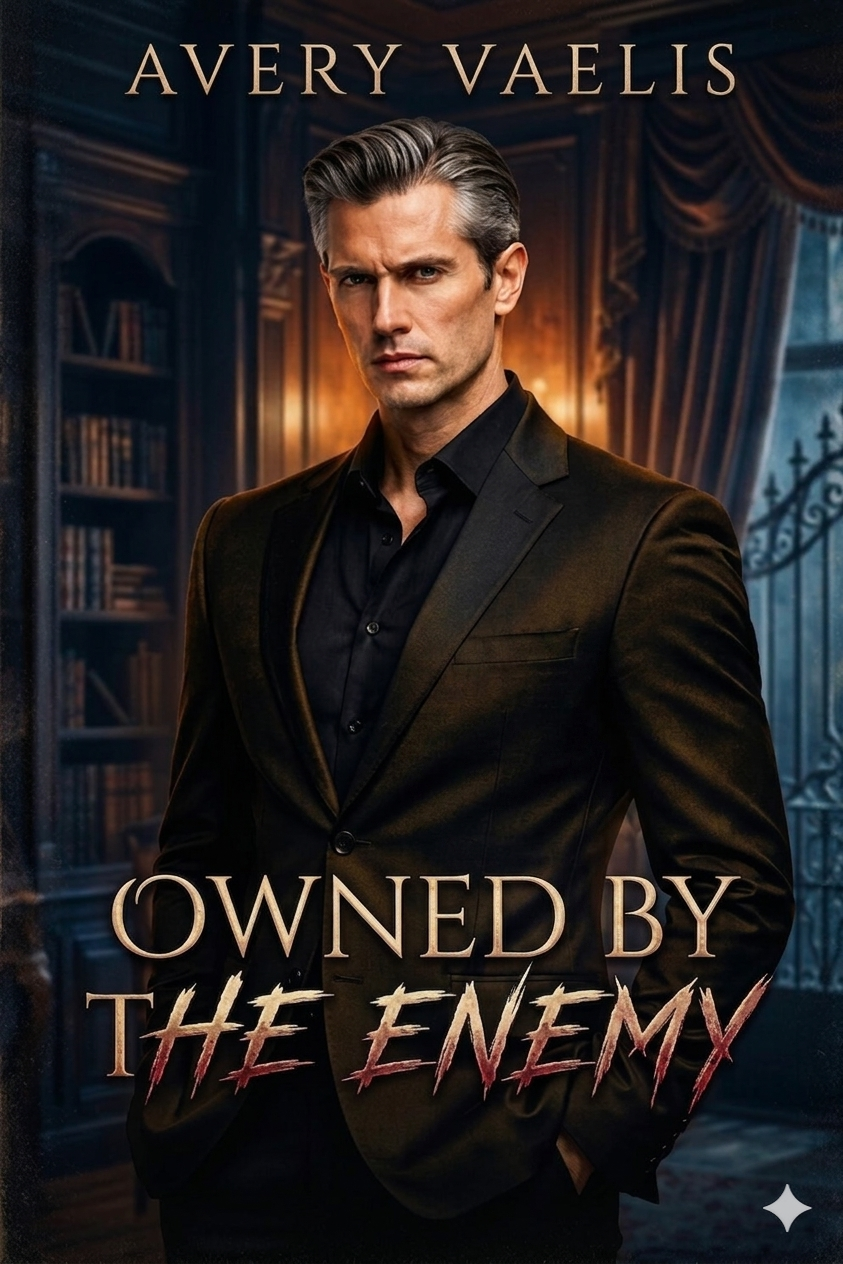
Owen Mitchell
Mafia underboss
Cold precision, arranged loyalty, protection that looks like a threat.
Open on Dramance →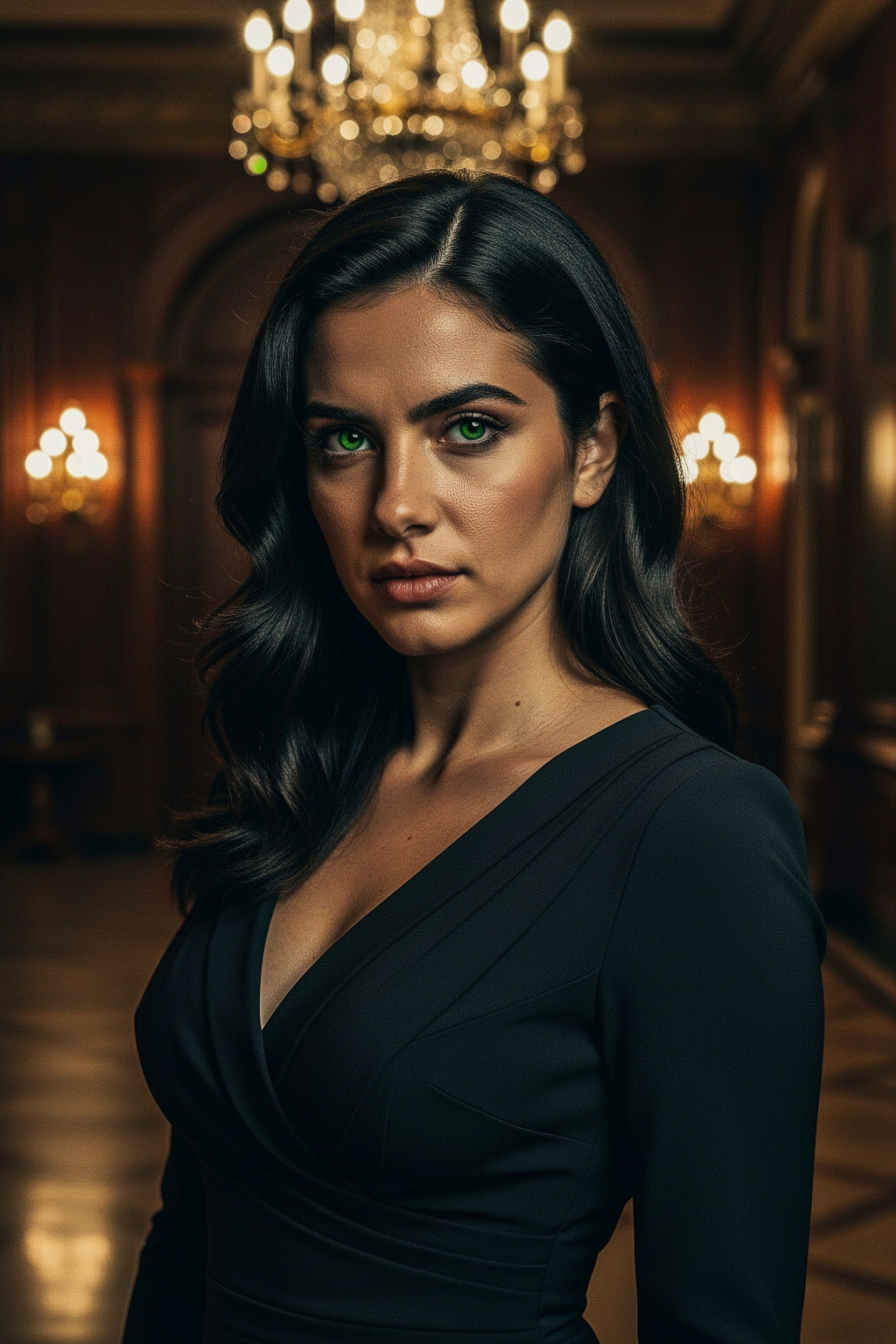
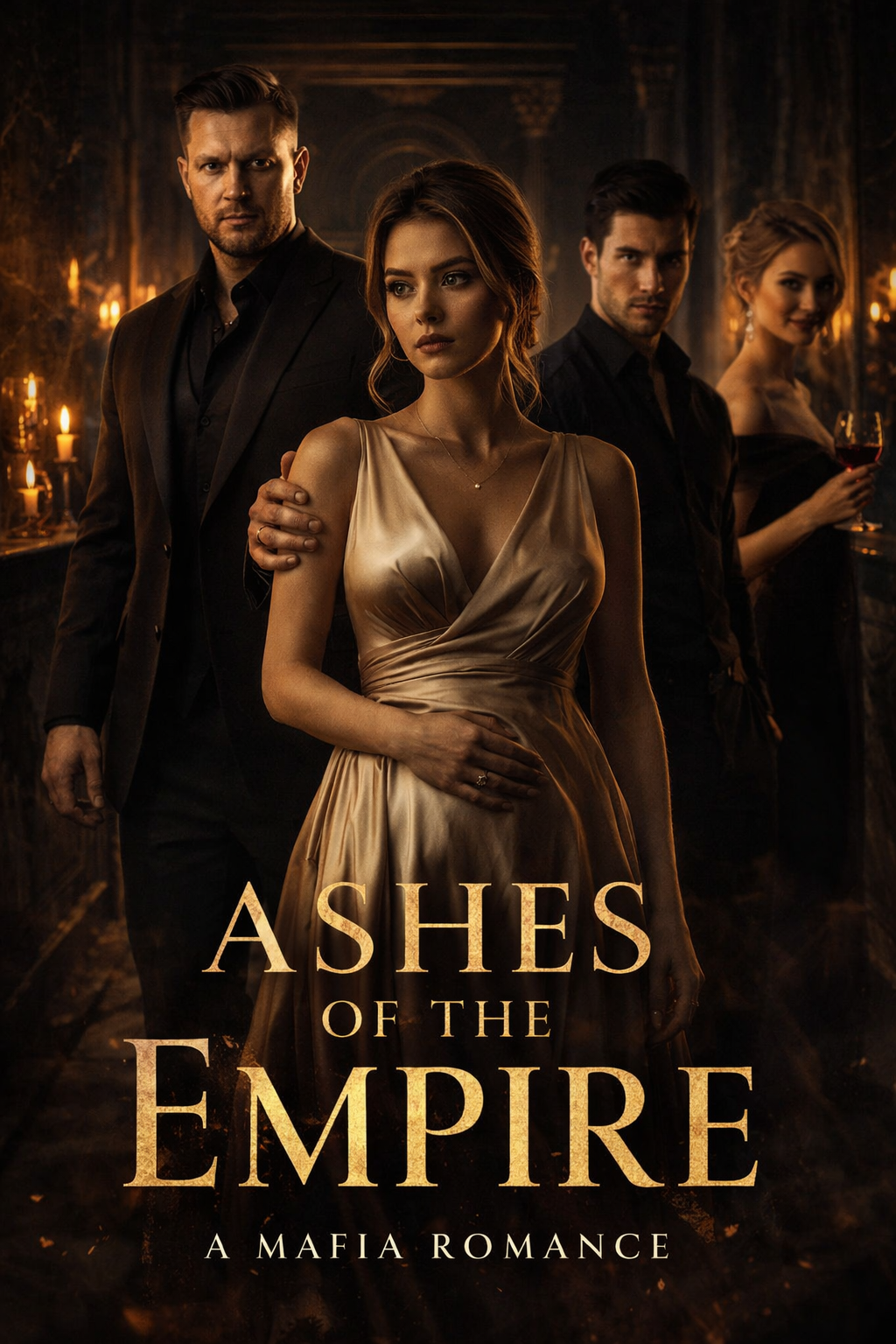
Sofia Moretti
Mafia heir
Raised in blood, trained in law — steel with a Moretti smile.
Open on Dramance →
Marriage of Convenience / Forced Alliance
Forced marriage sits at the structural heart of traditional mafia romance. Two families need peace. Two organizations need a border. Two enemies need a treaty. The price of stability is a union between strangers — often rivals’ children, sometimes captor and captive, always political.
2026 trend data shows marriage-of-convenience stories have cooled relatively (−28% share this quarter). The trope did not die. Readers want more innovation inside it. Stories where the protagonists sabotage or negotiate the arrangement outperform passive acceptance.
Current trend: readers expect protagonists who fight the arrangement even as they fall — not despite it, but because of it.
The Fierce Heroine Who Won’t Kneel
Classic mafia romance often softened the heroine into the world she entered. The books that work now feature women who refuse submission, challenge authority, and match the lead’s ruthlessness intellectually even if not physically. Her defiance is real friction — not scripted resistance that dissolves in a chapter.
That dynamic feeds enemies-to-lovers (18,100 monthly US searches). Antagonism has to turn into attraction through sustained conflict, not a misunderstanding that clears in one scene.
Modern expectation: she does not become a different person to fit his world. She demands he reshape his world to include hers.
Top Mafia Romance Tropes Explained
| Trope | Description | Why it works |
|---|---|---|
| Touch Her and Die | Any harm toward the heroine triggers devastating retaliation. The threat is implicit. | Protective masculinity without requiring violence against the heroine herself |
| Possessive love interest | Emotional ownership through jealousy, territorial behavior, and exclusivity | The fantasy of being wanted so completely that sharing is unthinkable |
| Hidden weakness | The most feared person alive reveals vulnerability to one person | Extreme contrast; intimacy feels earned |
| Forced proximity | Legal obligation, shared space, or mutual protection traps them together | The relationship accelerates through sustained contact |
| Power exchange | Authority shifts between scenes — sometimes she yields, sometimes she commands | Neither party holds dominance permanently; tension stays live |
| Secret identity / double life | One or both hide true roles at the start | Dramatic irony — the reader often knows first |
| Redemption arc | A monster chooses love over violence and redefines his purpose | Catharsis without pretending the scars vanish |
What Makes Mafia Romance Different
vs Regular Contemporary Romance
Contemporary romance typically keeps protagonists inside legal, social, and ethical frames that align with ordinary life. Conflict comes from miscommunication, career competition, or interpersonal friction — rarely life-threatening.
Mafia romance removes the safety net. The environment itself is dangerous. Trust is impossible without proof. Consent negotiations carry consequences inside the story world. The emotional stakes feel higher because physical survival is never assumed.
vs Gangster Romance
Gangster romance uses organized crime as backdrop and plot catalyst. Mafia romance uses it as emotional infrastructure. In gangster stories, the criminal element drives plot. In mafia romance, it generates the pressure that forces characters to reveal themselves.
vs Mob Wife Fiction
Mob wife fiction centers on women already inside a marriage structure — sacrifice, isolation, maternal instinct, community loyalty. Mafia romance explores the formation of those bonds: the first meeting, the negotiation, the falling, the choice.
Content Warnings Common in Mafia Romance
The subgenre deals with violence, coercion, and power imbalance. Standard warnings apply:
| Element | Frequency | Notes |
|---|---|---|
| Physical violence / threats | Very common | Central to atmosphere; often implied rather than graphic |
| Non-consensual captivity elements | Sometimes | Forced proximity via legal or political arrangements varies by author |
| Dubious consent dynamics | Present | Negotiations under duress require careful handling |
| Organized crime depictions | Always | Background setting; rarely requires real-world knowledge |
| Family separation / loss | Frequent | Drives motivation and conflict |
| Power imbalance (structural) | Always | Core narrative engine |
Reader tip: check author content notes. Quality writers flag specific triggers because reader boundaries matter regardless of genre label.
How to Start Reading Mafia Romance
If you are new to the subgenre, start here:
- Twisted Love by Ana Huang — accessible corporate-power crossover with mafia-adjacent themes
- Corrupt by Penelope Douglas — power-exchange through a controlled institutional setting
- The Sweetest Oblivion by Danielle Lori — arranged-marriage staple with dual POV
- When She Unravels by Gabrielle Sands (2026) — modern pacing, less traditional hierarchy
- Credence by Penelope Douglas — why-choose; several powerful figures at once
Together they cover corporate-criminal crossover, institutional power, pure arranged marriage, hierarchy deconstruction, and ensemble desire among dangerous men.
Famous Mafia Romance Books Worth Knowing
Beyond the gateways, these titles set intensity and franchise templates:
- Haunting Adeline by H.D. Carlton — technically stalking romance; many mafia books compete against its intensity baseline
- Lights Out by Navessa Allen — masked-stalker setup adapted into a contemporary crime frame
- God of Malice by Rina Kent — college-aged mafia heir and multi-book franchise template
- King of Wrath by Ana Huang — corporate-mafia hybrid that shows how the subgenre crosses categories
Why Mafia Romance Continues Dominating Reader Demand
Three forces keep the subgenre durable:
- Supply gap. Only about 5% of reader demand across romance is currently met by published supply. Mafia romance stays in the top five most-requested tropes year after year.
- Cross-platform versatility. The stories transfer — books, interactive fiction, visual novels, audio — which expands reach past traditional readership.
- Character depth potential. Crime-family structures come with built-in networks: family, rivals, allies, betrayals. That landscape is hard to fake in a simpler contemporary setup.
Algorithm trends burn and cool. Mafia romance builds catalog momentum: readers find it once, then hunt variations on the same tension.
Looking for interactive mafia romance? Explore the Dramance catalog — original characters across organized-crime dynamics, arranged-marriage tension, and possessive-protector narratives. Each profile has a free intro and optional premium layers.
FAQ
What is mafia romance?
Mafia romance is a subgenre of dark romance centered on criminal organizations, arranged marriages, power imbalances, and love interests whose world involves violence, illegal business, and absolute authority. It holds a stable 5.3% share of all dark romance demand — the single most-demanded flavor available today.
What are the key elements of a mafia romance story?
Core elements include the Mafia King / Patriarch archetype (cold exterior, strategic decision-making, territorial protectiveness), the fierce heroine who refuses submission, forced marriage or alliance arrangements, touch-her-and-die protection, possessive love, hidden vulnerability in feared characters, and power exchange that shifts between protagonists across scenes.
What does the 'touch her and die' trope mean?
This trope describes protective masculinity where any harm toward the heroine triggers devastating retaliation from the lead. The threat exists implicitly rather than as a speech — it is understood as baseline behavior that creates emotional security without requiring violence against the heroine herself.
How is mafia romance different from regular contemporary romance?
Contemporary romance usually keeps protagonists inside legal and ethical frameworks, with conflict from miscommunication or career friction. Mafia romance removes the safety net: the environment itself is dangerous, trust requires proof, and consent carries real-world consequences inside the story.
Are there content warnings for mafia romance?
Yes. Common warnings include physical violence or threats, non-consensual captivity elements in some titles, dubious-consent dynamics, organized crime as setting, family separation or loss, and structural power imbalance. Always read the author’s notes before you start.
What are the best books to start reading if new to mafia romance?
Gateway titles include Twisted Love by Ana Huang, Corrupt by Penelope Douglas, The Sweetest Oblivion by Danielle Lori, When She Unravels by Gabrielle Sands (2026), and Credence by Penelope Douglas for a why-choose ensemble.
Does mafia romance involve actual organized crime?
Not necessarily. Many modern books use corporate or metaphorical equivalents — private security firms run like syndicates, underground rings, criminal enterprises dressed as legitimate businesses. The power dynamics stay; the surface dressing changes.
Is mafia romance funny or only serious?
Both. Banter is a counterweight to extreme tension. Smart dialogue between antagonistic leads gives relief that makes later intensity hit harder. Humor should enhance stakes, not defuse them.
How does mafia romance handle consent issues?
Stronger titles track a path from initial unwillingness toward genuine agreement. Forced proximity can start under pressure; quality writing still aims for eventual mutual desire rather than romanticizing unresolved non-consent.
What makes good mafia romance different from bad implementations?
Quality writes the crime family as an emotional framework, not costume. Each character carries history, motivation, and consequence. Weak books treat mobsters as cosplay — suits, guns, silences — without relationships under the posturing.
Related journal reading
Explore the Halloween capsule
Dark romance looks and collector aesthetics that pair with craft on the page and interactive promo that sells the book.