What Is Dark Romance? A Complete Guide for New Readers (2026)
If you have ever scrolled through BookTok and stumbled onto a story about a morally grey villain who would burn the world down for one person — you have found dark romance.
Dark romance is where readers go when a traditional romance hero stops being enough. When they want someone dangerous, complicated, emotionally volatile — but ultimately devoted only to them. According to live search data from July 2026, dark romance receives over 246,000 searches per month globally — more than every major BookTok trend combined. It is not a niche anymore. It is the largest segment of the romance market.
But what exactly separates dark romance from the rest of the genre? And how do you know if it is right for you?
Dark Romance vs Regular Romance: The Key Difference
At its core, dark romance uses the same structural bones as any romance novel: two people are drawn together, they face obstacles, and they earn their emotional resolution. The difference is not in the plot — it is in the moral landscape of the love interest.
In a regular romance, your main character is fundamentally safe. They might be grumpy, aloof, or emotionally guarded — but their values align with society’s expectations. They are good people.
In a dark romance, the love interest operates in a moral grey area. They may run illegal businesses, exercise control over situations that feel coercive, make decisions that would make you step back in real life — but within the fictional context, you understand why they exist and what drives them. Their darkness creates tension. Their capacity for tenderness — directed exclusively at the protagonist — creates payoff.
The Five Tropes You’ll See Everywhere in Dark Romance
Dark romance readers don’t typically search for subgenre labels — they search for dynamics. Here are the five tropes that dominate the category right now, with characters from Dramance for each.
1. Mafia Romance (5.3% share — the #1 most-demanded dark romance flavor)
A criminal empire. An arranged marriage. A love interest who rules with cold precision but softens only for one person. This trope blends power imbalance, forced proximity, and possessive protection into a single package that readers devour.
Mafia romance is stable, massive, and never cooling. Despite trends coming and going, it maintains consistent demand because it delivers everything readers want: high stakes, physical danger, and a hero whose violence is always contextualized as protection.

Owen Mitchell
Mafia underboss
Cold precision, arranged loyalty, protection that looks like a threat.
Open on Dramance →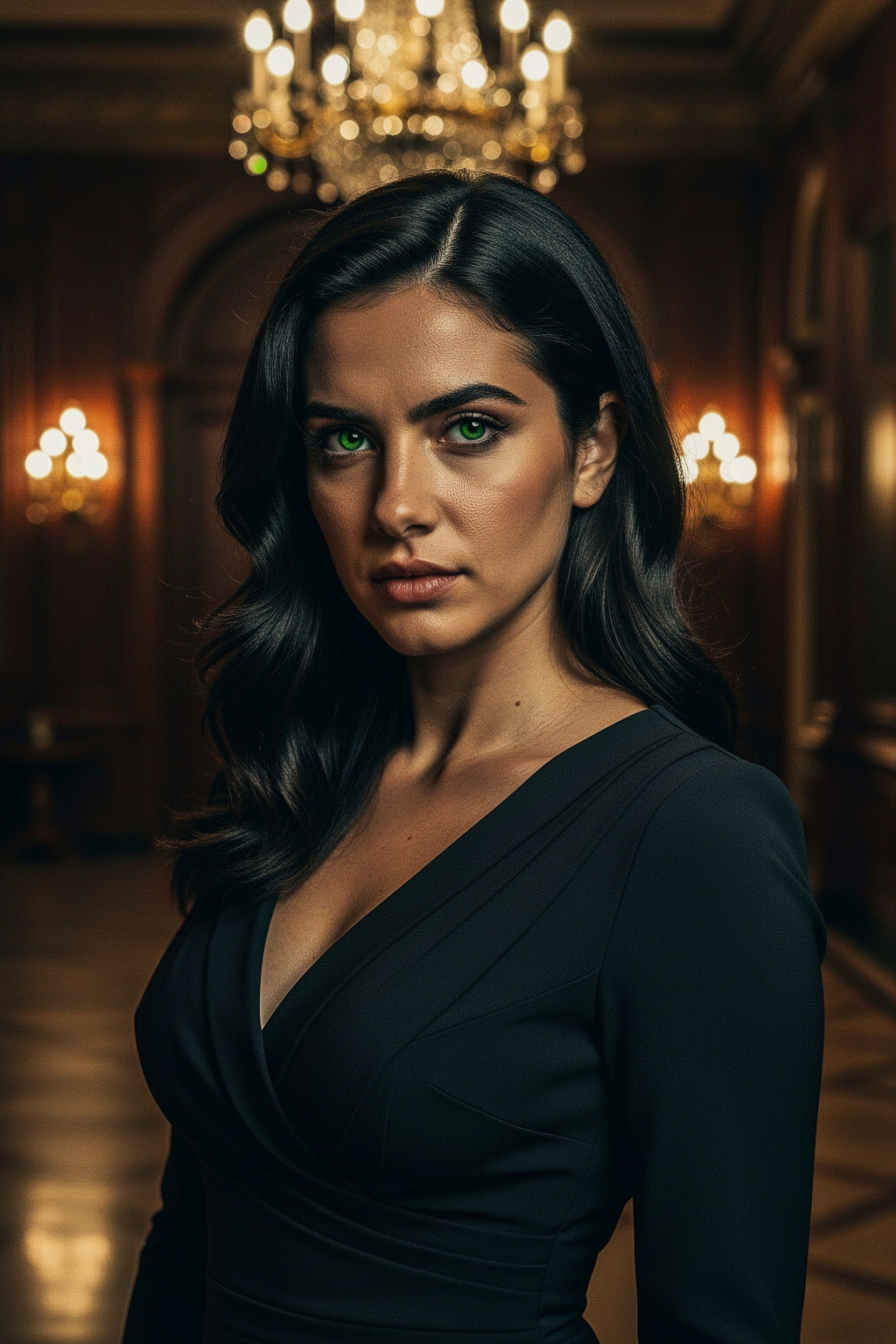
Sofia Moretti
Mafia heir
Raised in blood, trained in law — steel with a Moretti smile.
Open on Dramance →
2. Morally Grey Heroes / Dangerous Obsessing Lovers
This is the heartbeat of dark romance. The “morally grey” character does terrible things — but they also follow a code, show selective tenderness, and operate inside a logic that makes sense within the story world. They’re not evil; they’re compromised. And that compromise is what makes them compelling.
Readers want heroes who genuinely threaten — not just emotionally, but literally. The key distinction PlotProse’s reader-data engine identified in 2026: “Grey is not the same as ‘flawed.’ Every good character is flawed. Grey means the flaw sits at the level of values and consequences.”
For the craft skeleton behind that code — Wound, Lie, and Personal Logic — see how to build a dark romance hero who stays dangerous.

Cole Haze
Dangerous Obsessing Lover
Hockey captain, first-round menace — the enforcer who never lets you off the ice.
Open on Dramance →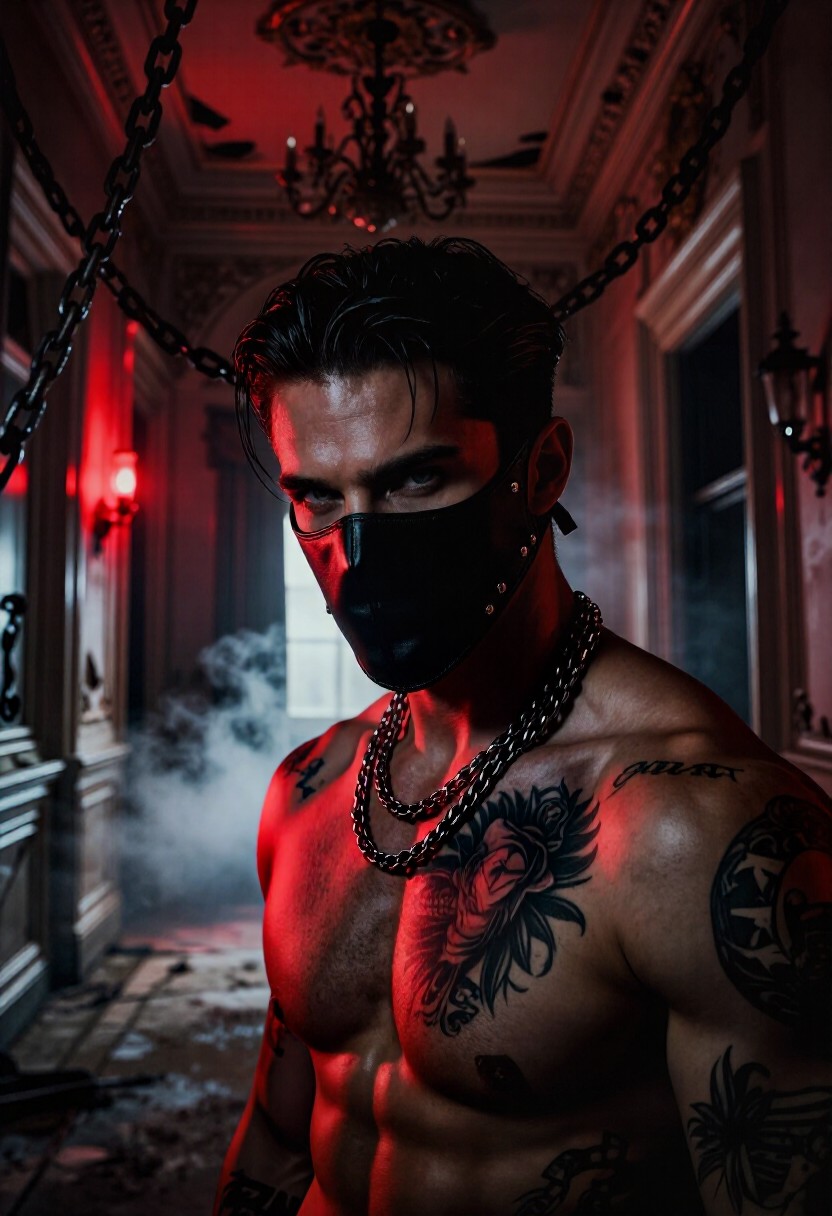
Asher (Ghost)
Dangerous Obsessing Lover
A fixer who watches from the dark corners — then never looks away.
Open on Dramance →
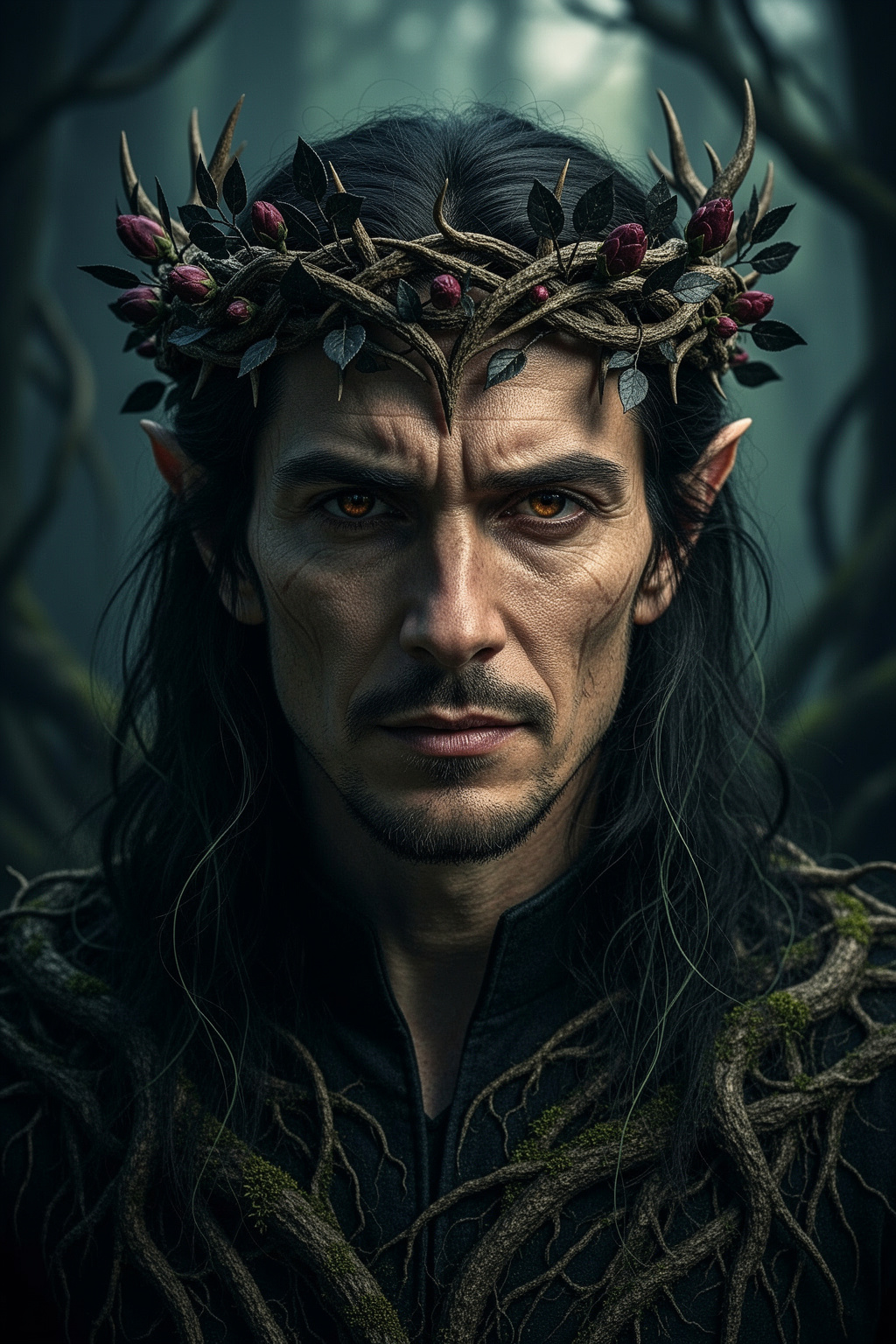
3. Unseelie & Fae Darkness
Ancient fae rulers, immortal predators, supernatural beings who answer to no human law. This trope taps into the “enemies-to-lovers” dynamic with cosmic stakes. The love interest doesn’t redeem themselves — they simply choose the protagonist over their own nature.
Fae dark romance combines predatory danger with magical intensity, making it one of the most emotionally charged sub-tropes in the entire category.
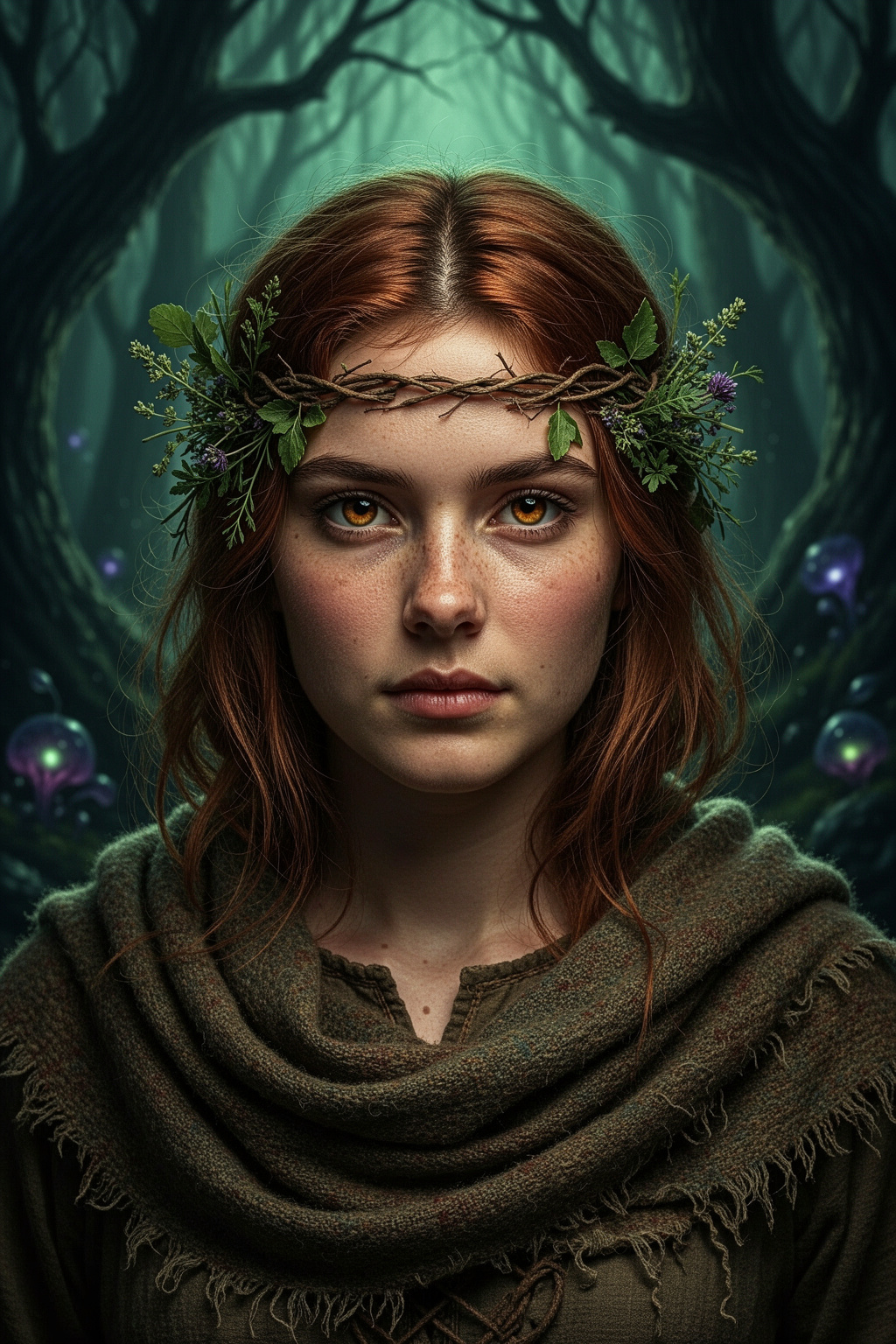
Elara
Mortal in the Unseelie Court
No magic, no title — only defiance that outburns a spell.
Open on Dramance →
4. Dark Society & Power Exchange
A closed group. Rituals, secrets, hidden rules. One person holds absolute authority. This trope explores consent, autonomy, and surrender through structured power dynamics — often set in boarding schools, exclusive societies, or underground organizations.
The appeal isn’t the control itself — it’s the moment the person in charge drops their composure completely, losing control only for one specific person. That vulnerability beneath the power is what hooks readers.
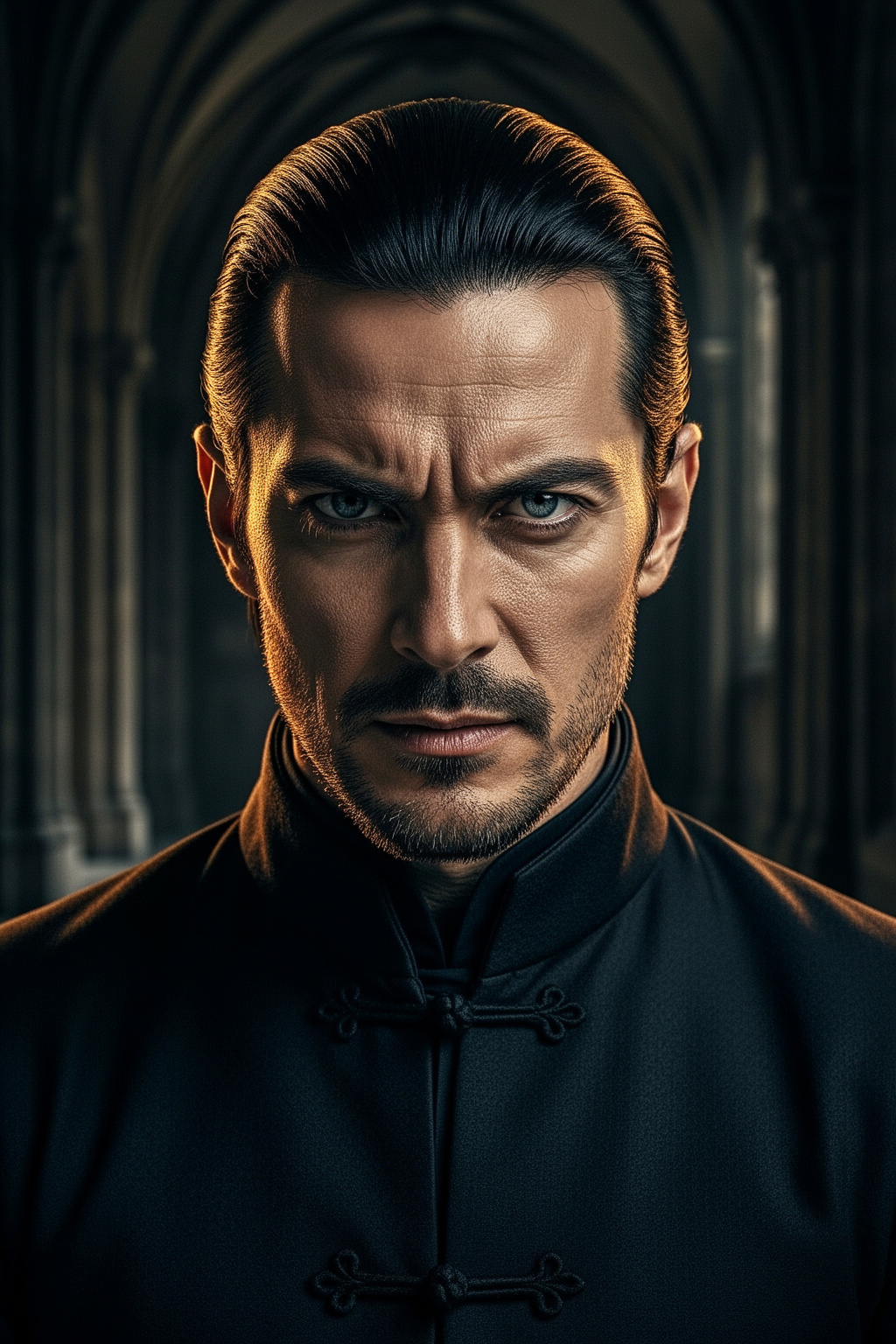
Julian
Closed-society sovereign
Ritual, secrecy, and authority that never needs to raise its voice.
Open on Dramance →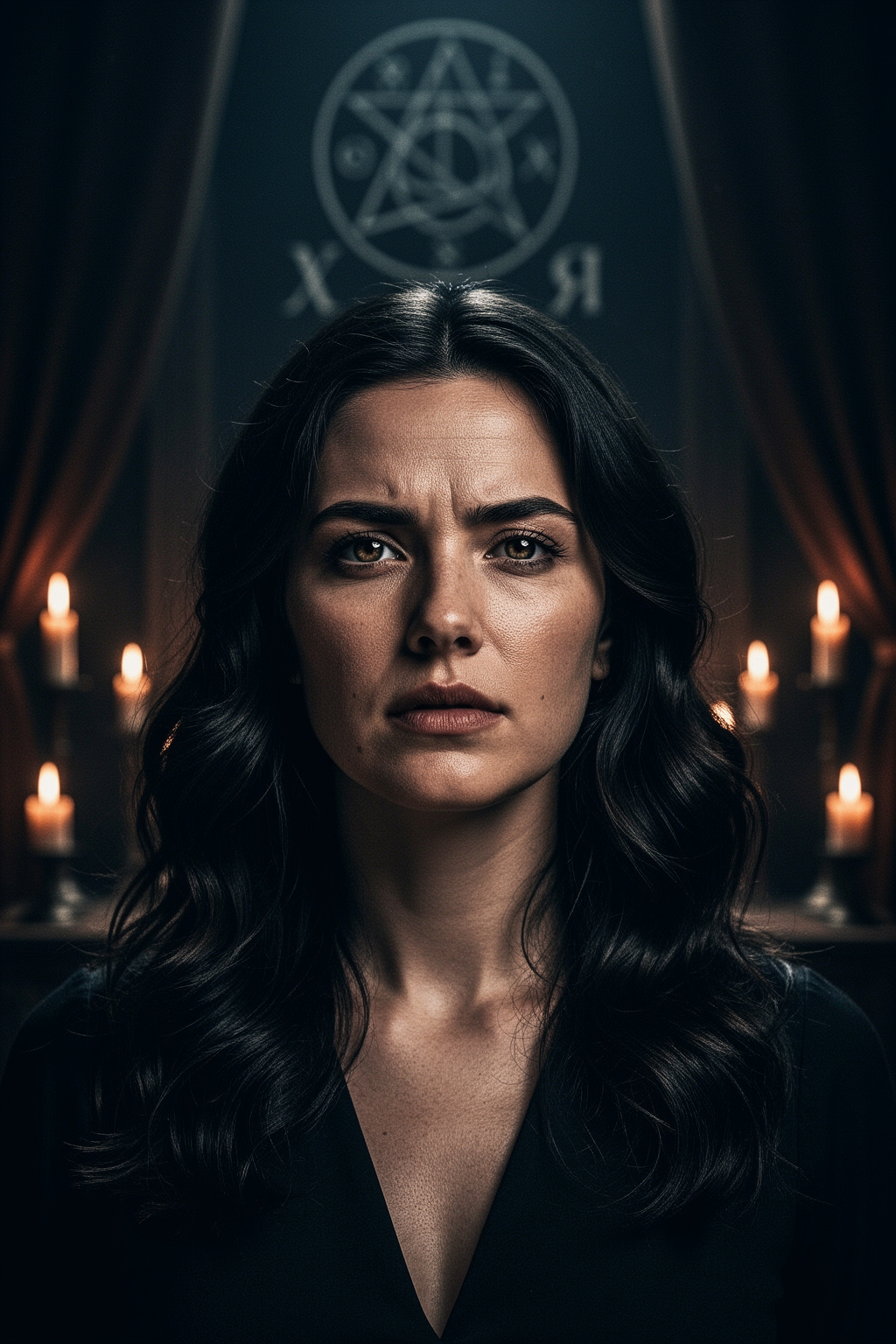
Lyra
Society newcomer
She breaks rules by instinct and stares down the man who commands the room.
Open on Dramance →
5. Found Family in Dark Context
Here’s a surprising trend signal from summer 2026: found family demand is climbing sharply even within dark romance. Readers want the darkness and a crew to belong to. Multiple possessive, dangerous men orbiting around one protagonist who becomes their anchor.
Found family has 8,838 active reader requests with 97% underserved supply — meaning the market desperately needs more stories exploring ensemble dynamics.
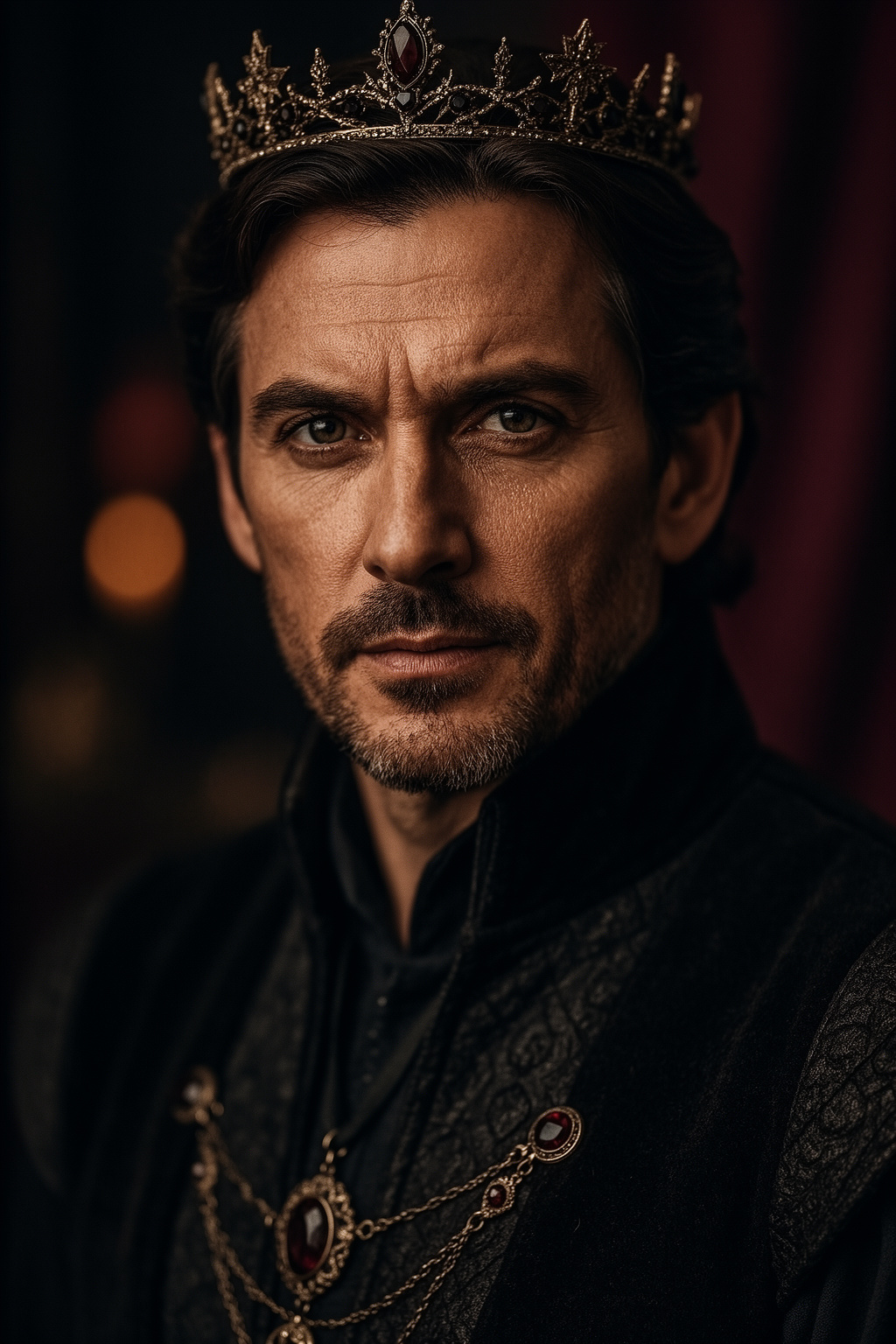
King
Found-family lead
Possessive, calculated, absolute. He does not ask — he decides.
Open on Dramance →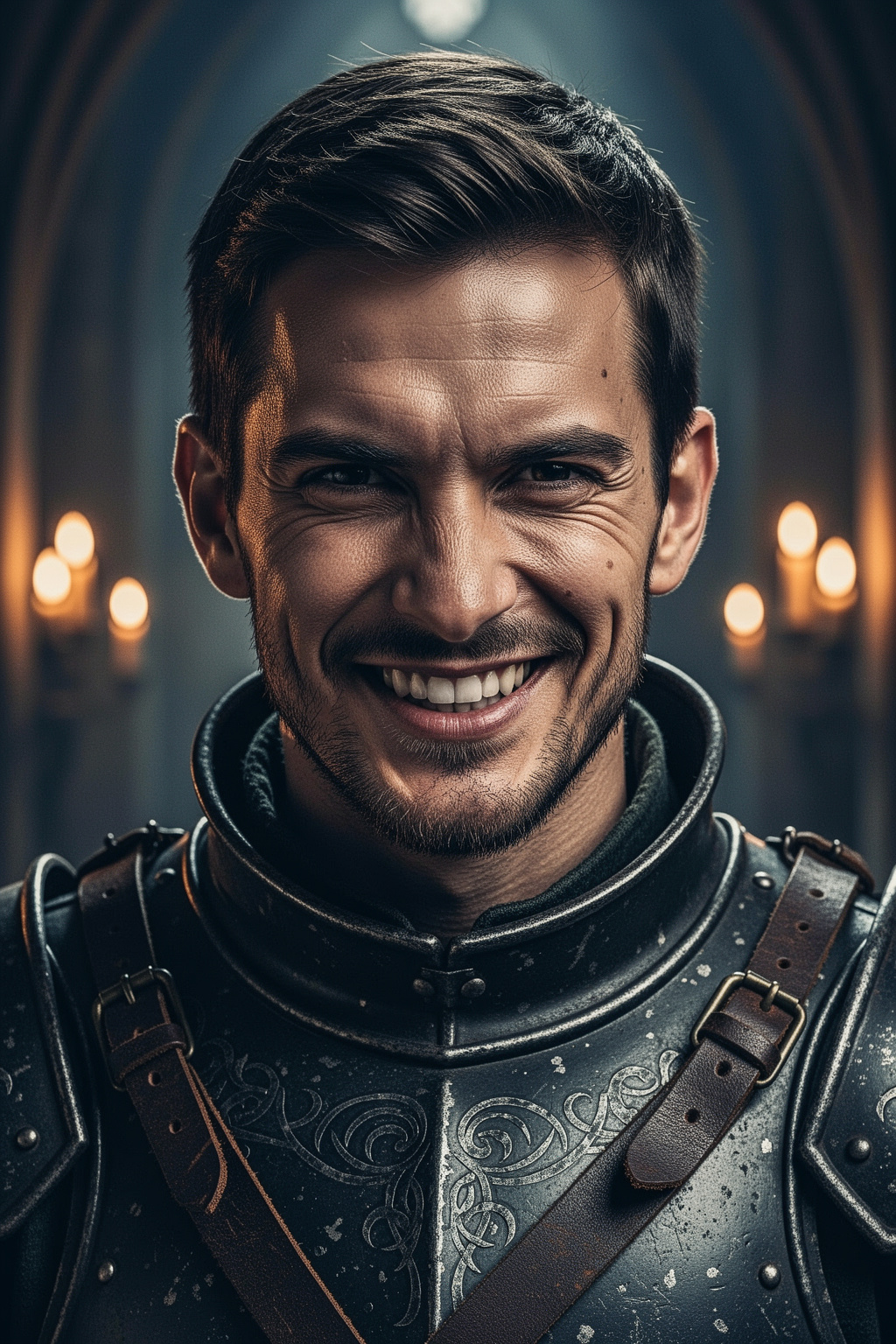
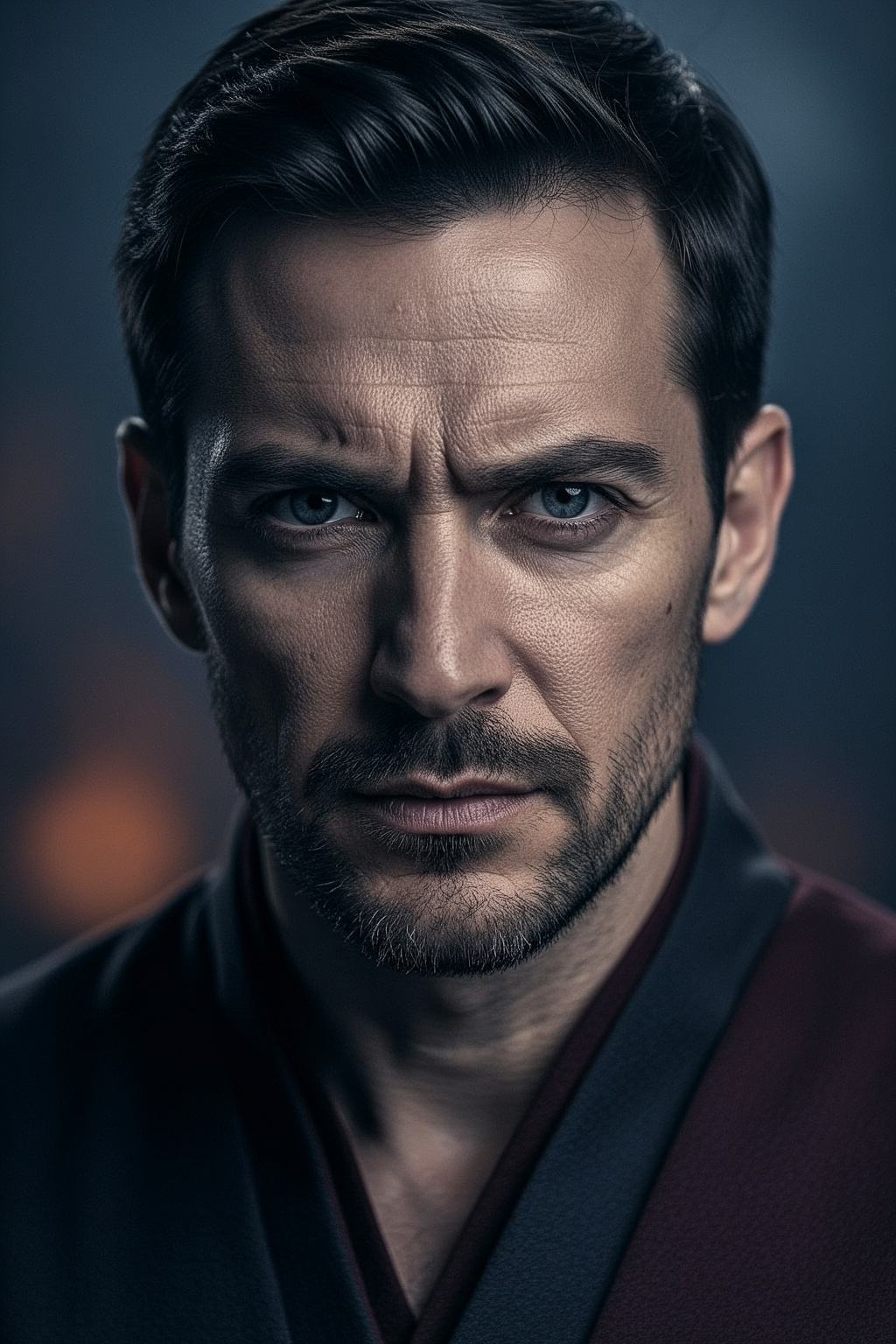
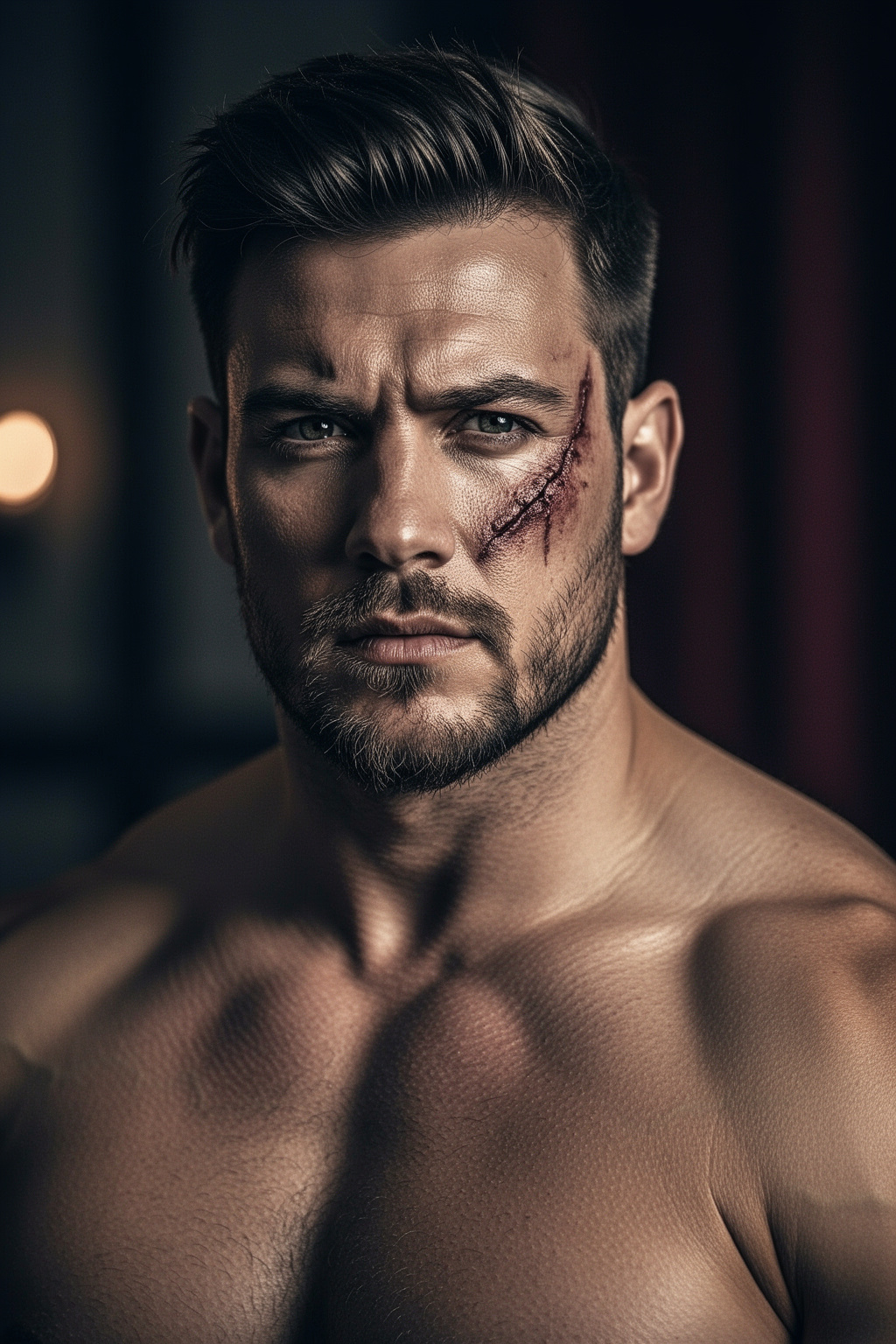
Rook
Found-family protector
Scarred, loyal, and unapologetically raw about what is his.
Open on Dramance →
Why Is Dark Romance So Popular Right Now?
Several forces converged in 2024–2026:
- BookTok algorithm optimization: Short-form video rewards high-emotion content, and dark romance delivers maximum emotion per second
- Underserved market: Data from PlotProse shows 96% of dark romance requests are unmet by current publishing supply — publishers haven’t caught up to reader demand
- Reader fatigue with safe heroes: A 2026 study of 113,000+ reader signals found “obsessive MMC,” “possessive MMC,” and “traumatized MMC” in the top three most-requested character archetypes across all romance genres
- Cross-genre pull: Dark romance readers frequently cross-read romantasy, paranormal romance, and thriller romance — expanding the audience pool
The demographic skews young (18–34), predominantly female, with a growing male and non-binary readership entering through BookTok discovery. The average dark romance reader consumes 3–5 titles per month during peak engagement periods.
Content Warnings: What You Should Know
Dark romance deals with serious subject matter. The best way to approach it is with transparency:
| Element | Common in DR? | Notes |
|---|---|---|
| Non-consensual acts | Sometimes | Usually contextualized within moral complexity; varies by author |
| Violence | Very common | Physical threat is part of the attraction for many readers |
| Abuse dynamics | Present | Often explored as psychological manipulation rather than literal realism |
| Death / grief | Frequent | Character loss drives plot motivation in most stories |
| Power imbalance | Always | Core structural element of the genre |
Reader tip: Always check trigger warnings before starting. Quality dark romance authors include detailed content notes because respecting reader boundaries is essential to enjoying dangerous fiction safely.
How to Start Reading Dark Romance
If you’re new to the genre, try these entry points:
- Twisted Love by Ana Huang — Accessible gateway, lighter dark elements
- Corrupt by Penelope Douglas — Cult classic, strong structure
- The Sweetest Oblivion by Danielle Lori — Mafia romance staple
- When She Unravels by Gabrielle Sands (2026) — Fresh mafia angle
- Credence by Penelope Douglas — Why-choose, darker undertones
Each of these demonstrates a different facet of dark romance: possessiveness, obsession, social-power dynamics, forced proximity, and ensemble desire.
What Makes Dark Romance Addictive
The emotional mechanism behind dark romance works like this:
- Threat — Your love interest is dangerous to others
- Exclusivity — They are tender only with you
- Cost — Their transformation costs them something real
- Reward — You receive devotion that feels impossible anywhere else
It’s a fantasy about being chosen completely, protected absolutely, and loved with terrifying intensity. Whether that reflects healthy relationships in reality is irrelevant — in fiction, it satisfies a very specific emotional hunger that mainstream romance rarely addresses.
Final Thoughts: Is Dark Romance Right for You?
Dark romance works for readers who:
- Want emotional intensity that pushes past comfortable territory
- Enjoy characters who challenge moral assumptions
- Appreciate the contrast between danger and tenderness
- Like their heart racing alongside their pulse quickening
If the concept excites you — start reading. If it makes you uncomfortable — stop reading. The genre thrives on reader agency, and quality authors respect that boundary.
Looking for interactive dark romance experiences? Explore the Dramance catalog — original characters across mafia romance, fae darkness, society control, and found-family dynamics. Each character comes with a free intro and optional premium layers.
FAQ
How is dark romance different from an erotic thriller?
An erotic thriller is usually driven by crime, suspense, or danger around the couple. Dark romance still uses romance structure — two people drawn together, obstacles, an earned resolution — but the love interest’s moral landscape is the engine. The danger sits inside the relationship, not only around it.
Does dark romance always have a happy ending?
Most dark romance still promises an emotionally resolved pairing. The path there is darker: the safety between the two characters is earned through real danger, not assumed from chapter one. Always check the author’s notes if you need a guaranteed HEA.
Is dark romance suitable for beginners?
Yes, if you start with a lighter gateway title and read the content warnings first. Accessible entry points include Ana Huang’s Twisted Love and Danielle Lori’s The Sweetest Oblivion. If a premise makes you uncomfortable, stop — the genre runs on reader agency.
What age should readers be for dark romance?
Treat it as adult fiction. The 2026 readership skews 18–34. Themes can include violence, power imbalance, and non-consent depending on the author. If you are under 18, this is not the shelf.
What are the most popular dark romance tropes in 2026?
Mafia romance remains the most-demanded flavor. Next come morally grey / obsessive heroes, Unseelie and fae darkness, closed-society power exchange, and found family inside a dark crew. Readers search dynamics more than subgenre labels.
Related journal reading
Explore the Halloween capsule
Dark romance looks and collector aesthetics that pair with craft on the page and interactive promo that sells the book.