The Shadow and the Silhouette: Reclaiming Eroticism in Contemporary Dark Illustration
In an era characterized by hyper-visible digital media and automated image generation, visual saturation has fundamentally altered our relationship with desire. The endless proliferation of explicit, photorealistic adult content has paradoxically neutralized its emotional resonance, yielding widespread visual fatigue and aesthetic detachment.
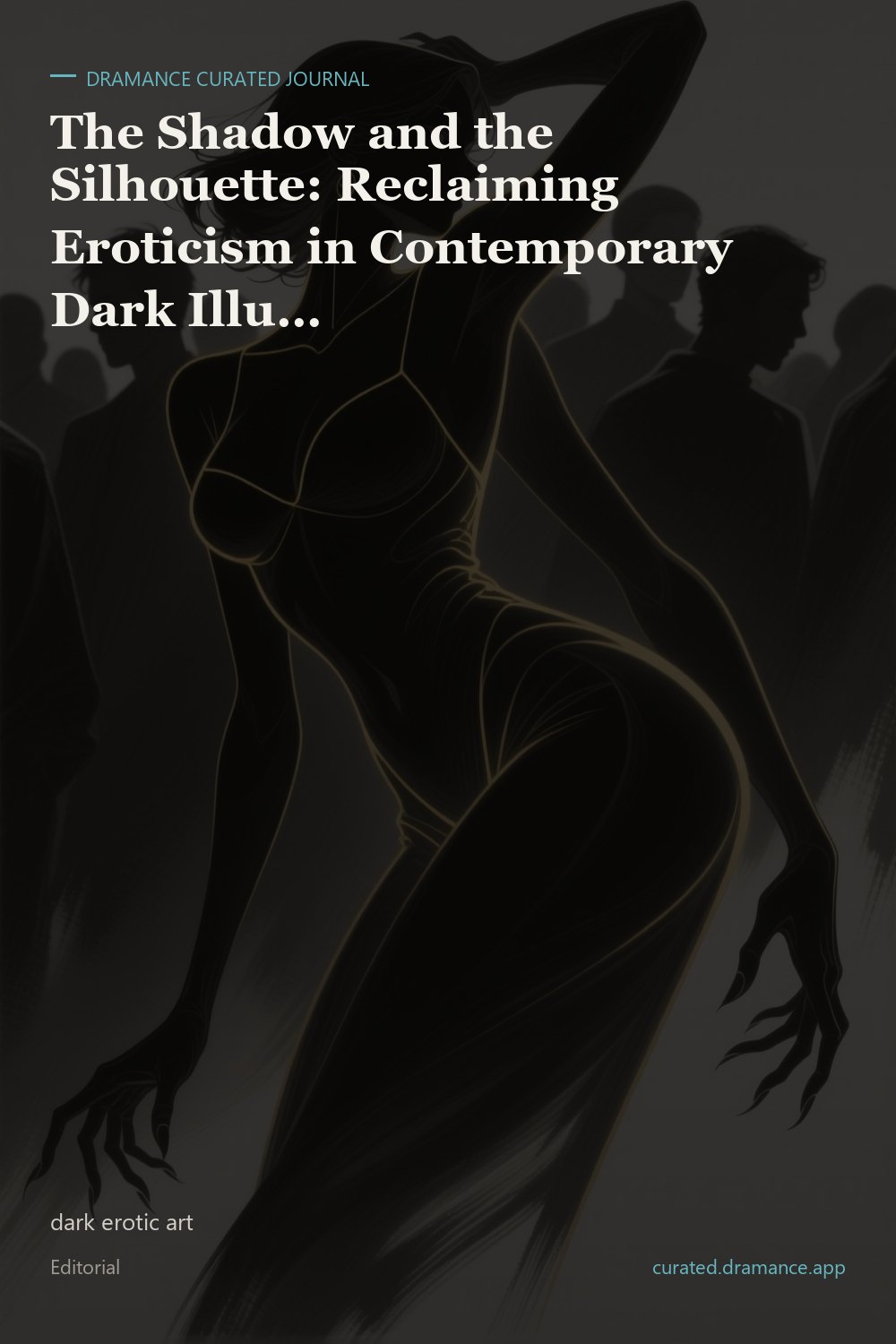
Contemporary dark erotic illustration reclaims desire through restraint — line, shadow, and silhouette — against visual fatigue from photorealistic explicit media.
- Hyper-visible, automated, photorealistic adult imagery has flattened desire into visual fatigue.
- The shadow economy of line art works by withholding: suggestion carries more charge than full exposure.
- Bataille’s transgression and vulnerability-as-power sit under gothic surrealism and BookTok-adjacent dark academia aesthetics.
- Five pillars organize the look: restraint, transgression, subculture convergence, archetype, and archival print.
- Dramance Curated collects this work as art, not as a feed of explicit stills.
When every detail is laid bare under harsh lighting, the space for imaginative synthesis dissolves. In response to this mechanical exposure, an aesthetic counter-revolution has taken root within contemporary gallery spaces and digital arts subcultures. Art collectors, literary communities, and alternative subcultures are turning away from hyper-explicit media toward the power of suggestion.
This cultural pivot has sparked unprecedented interest in dark erotic art, gothic erotic illustration, and evocative line-driven compositions. Modern audiences are seeking artwork that respects the complexity of human intimacy—art that understands that genuine sensuality resides not in full exposure, but within the subtle interplay between contour, texture, and shadow.
The Aesthetics of Restraint: Sensory Linework and the Shadow Economy
At the core of this artistic movement is a refined approach to draughtsmanship that prioritizes conceptual suggestion over explicit exposure. Unlike commercial media that demands total visibility, sensory ink artwork and minimalist figurative drawings operate through a “shadow economy”—an aesthetic methodology where profound meaning is created through omission and tonal modulation.
Negative space acts as an active conceptual force rather than an empty void. When an artist utilizes continuous ink strokes, fine-line hatching, or delicate charcoal sweeps to trace a silhouette, the spectator's cognitive faculties actively complete the form. The drawn line becomes a threshold between physical reality and psychological projection. By leveraging classical chiaroscuro techniques alongside modern raster and vector techniques, contemporary creators evoke a deep sense of mystery.
For discerning collectors seeking an archival dark ink fine art print or discreet aesthetic BDSM wall decor, this minimalist approach offers both psychological resonance and interior sophistication. By transforming raw physical desire into structured, architectural compositions, these works fit naturally into refined living environments while retaining their private symbolic weight.
Philosophical Underpinnings: Bataille, Transgression, and Vulnerability as Power
To fully comprehend the appeal of contemporary subversive digital art and aesthetic BDSM drawings, one must engage with the foundational ideas of Georges Bataille. In Erotism: Death and Sensuality, Bataille posits that human consciousness is inherently marked by discontinuity—an isolated state where individual selves are bounded by physical form and acutely aware of mortality. Eroticism represents the profound psychological quest to bridge this abyss, substituting temporary continuity for discontinuous existence.
Bataille argues that true eroticism is inextricably linked with transgression and the sacred. Transgression does not destroy the social boundary or moral taboo; rather, it completes it by revealing the profound significance of the boundary being crossed. In contemporary dark romance line art, this theoretical dynamic manifests through themes of voluntary surrender, power exchange, and emotional vulnerability.
Far from signifying submission or weakness, vulnerability in dark figurative illustration operates as an assertion of power. When an artist captures a figure in a state of restraint, exposure, or emotional surrender, they illuminate a moment of radical sovereignty—the deliberate dismantling of ego defense mechanisms. Physical exposure and figurative nudity in dark art act as a metaphorical dissolution of the closed self, initiating a direct channel of continuous communication between the subject, the artist, and the viewer.
The Convergence of Subcultures: BookTok, Dark Academia, and Digital Curation
The modern resurgence of dark figurative art is powered by a powerful convergence of digital subcultures and decentralized creative networks. The explosive growth of the dark romance literary genre across communities on BookTok and BookStagram has generated massive demand for visual artwork that reflects morally complex, intensely emotional narratives.
Audiences searching for a morally grey character art print or moody narrative illustration are seeking physical artifacts that embody the atmospheric intensity of their reading experiences. Simultaneously, the rise of the Dark Academia aesthetic has normalized dark, classical, and macabre aesthetics within modern home decor, creating a natural crossover for fine art collectors and literary enthusiasts alike.
In parallel with this literary movement, online communities across platforms like X, Bluesky, Tumblr, and independent galleries have established a decentralized curation renaissance. Free from the constraints of traditional gallery gatekeeping and corporate censorship, independent illustrators can share boundary-pushing work directly with a global collector base.
Explore the Curated Art & Prints capsule
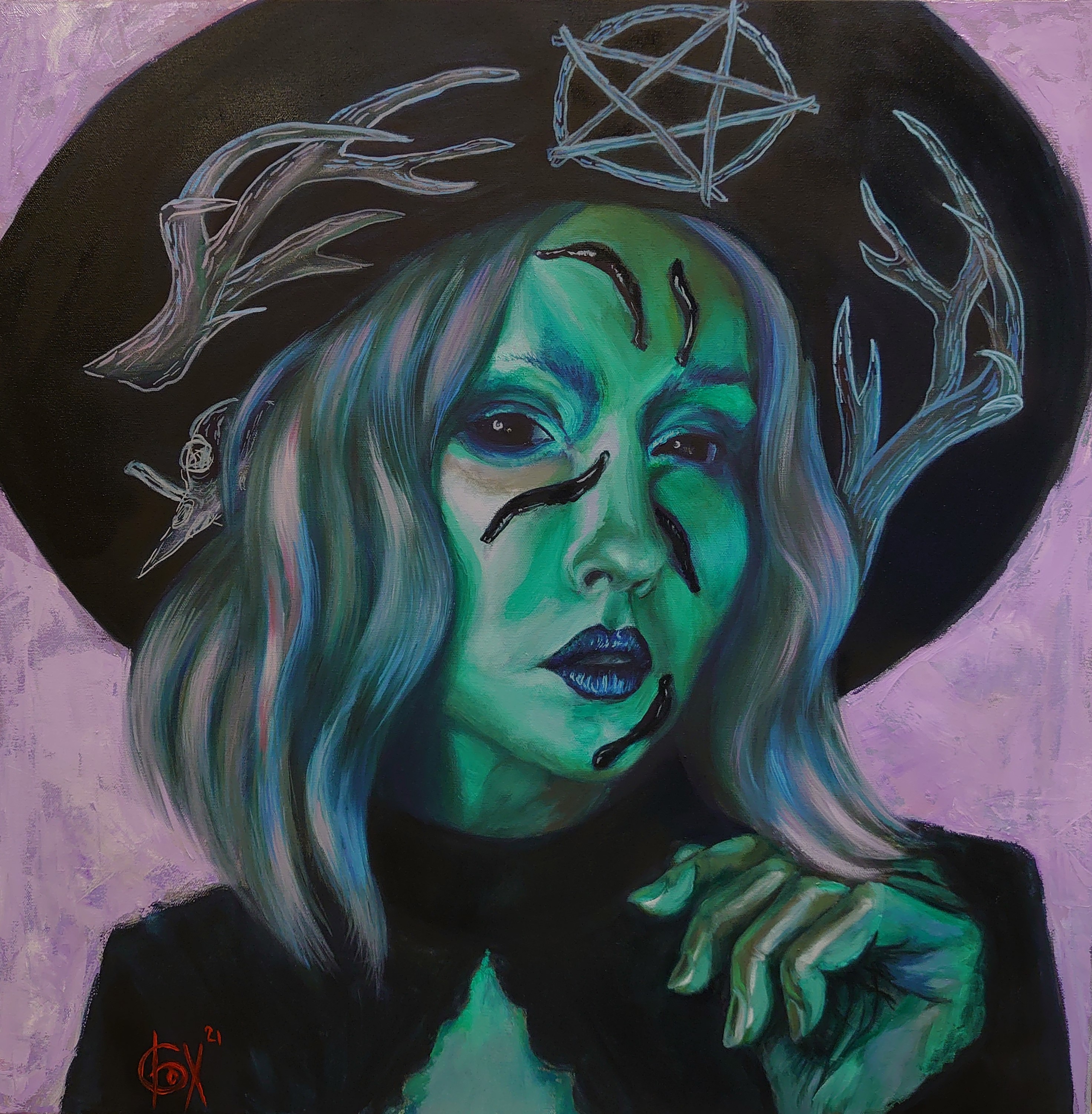
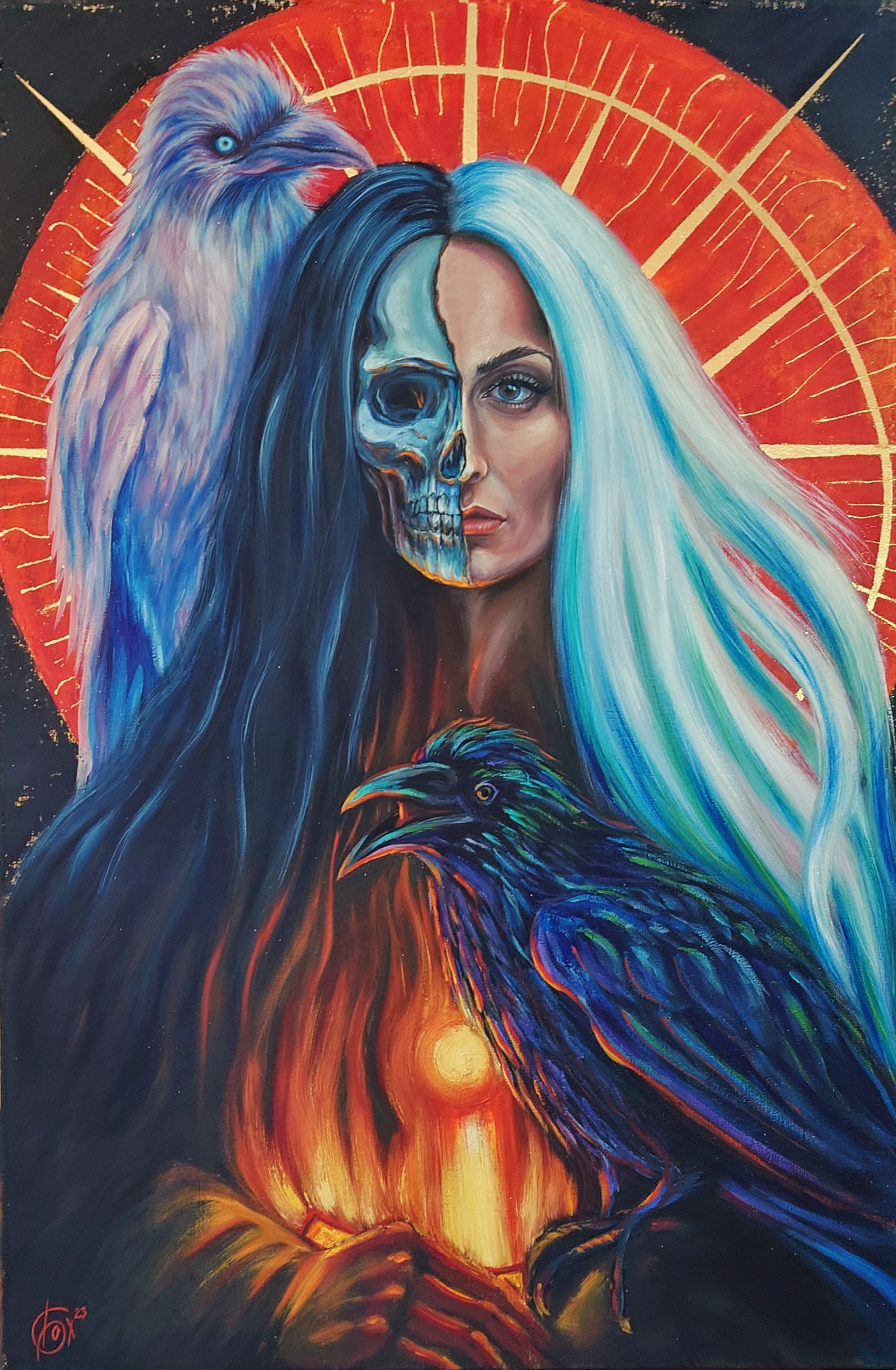
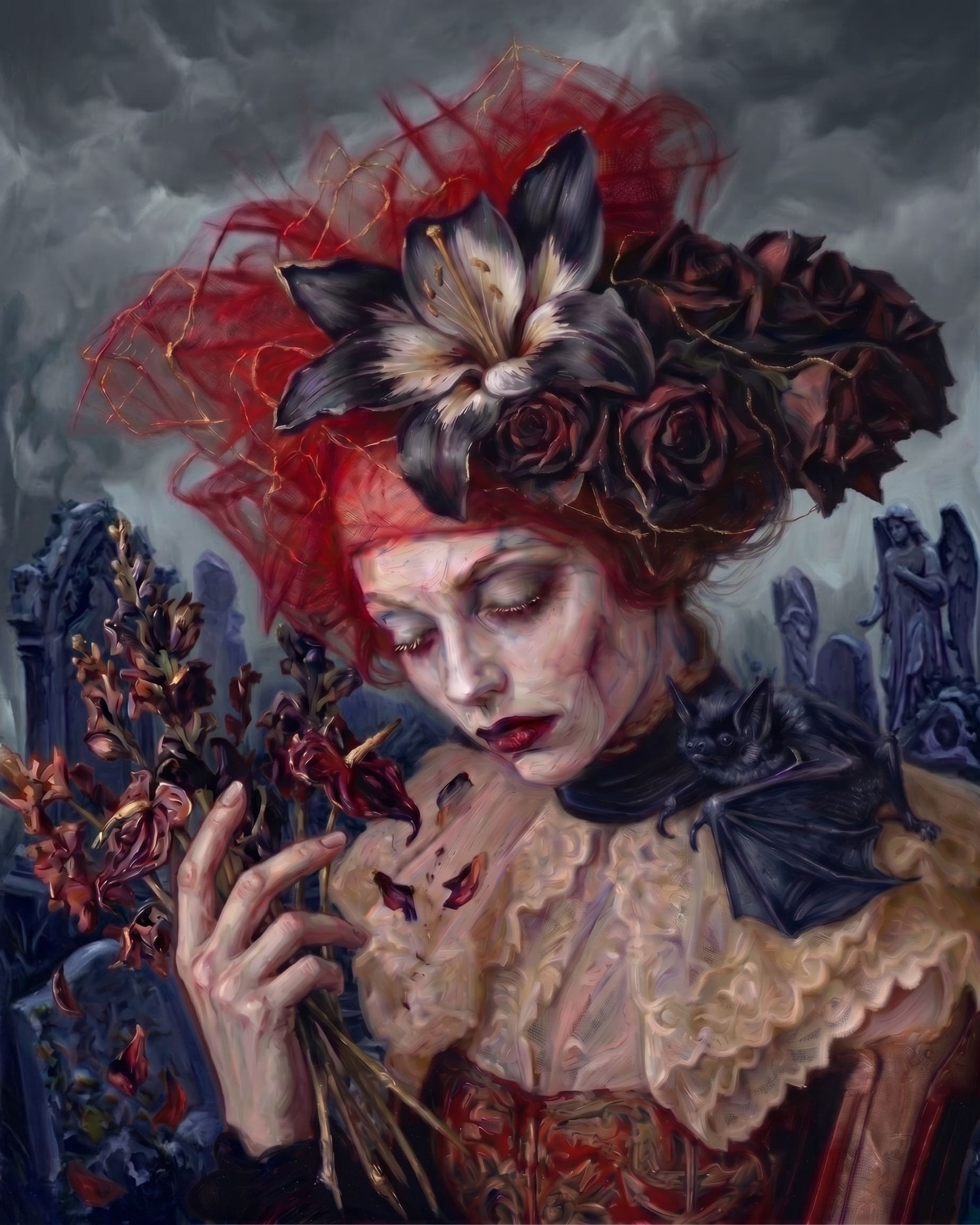
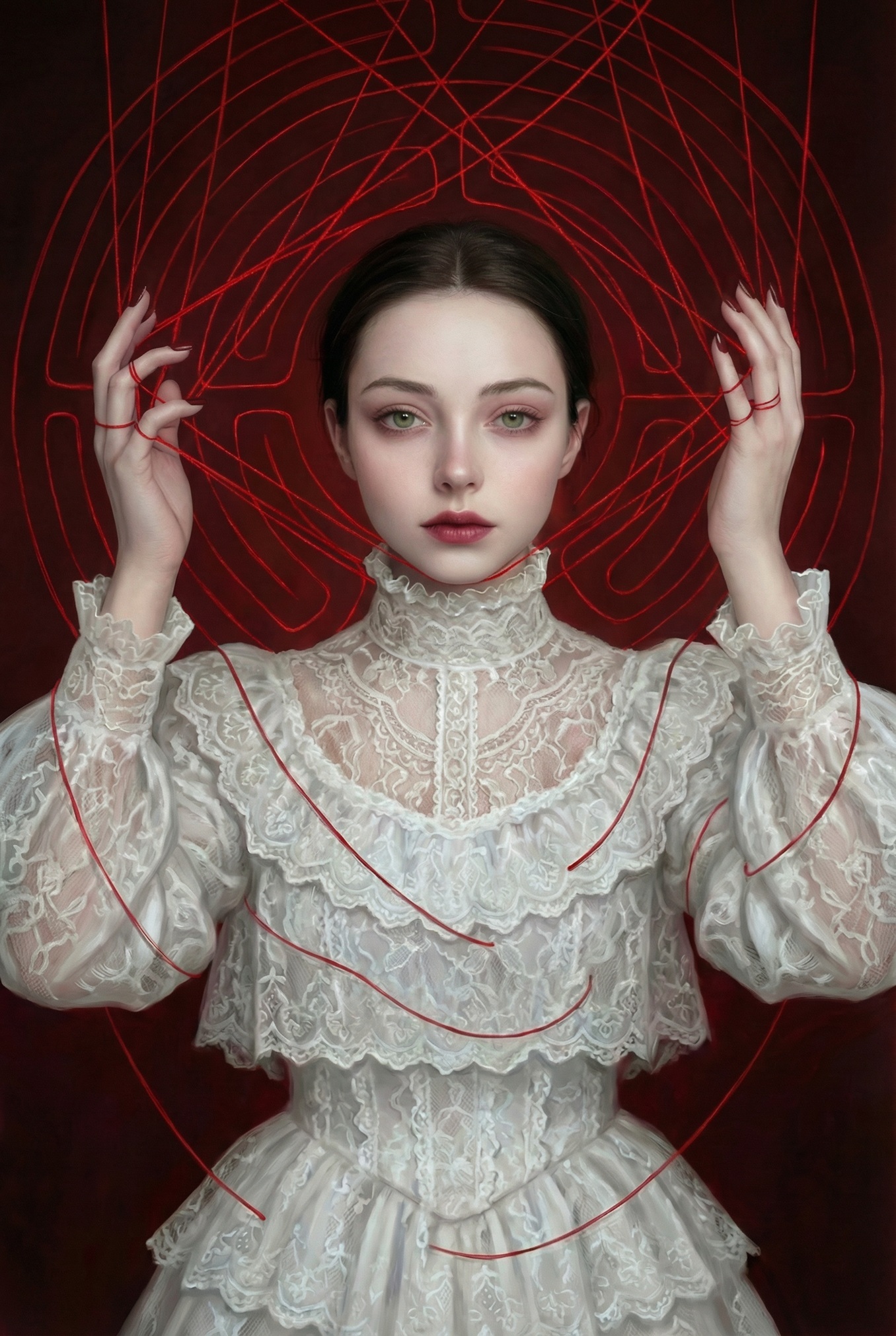
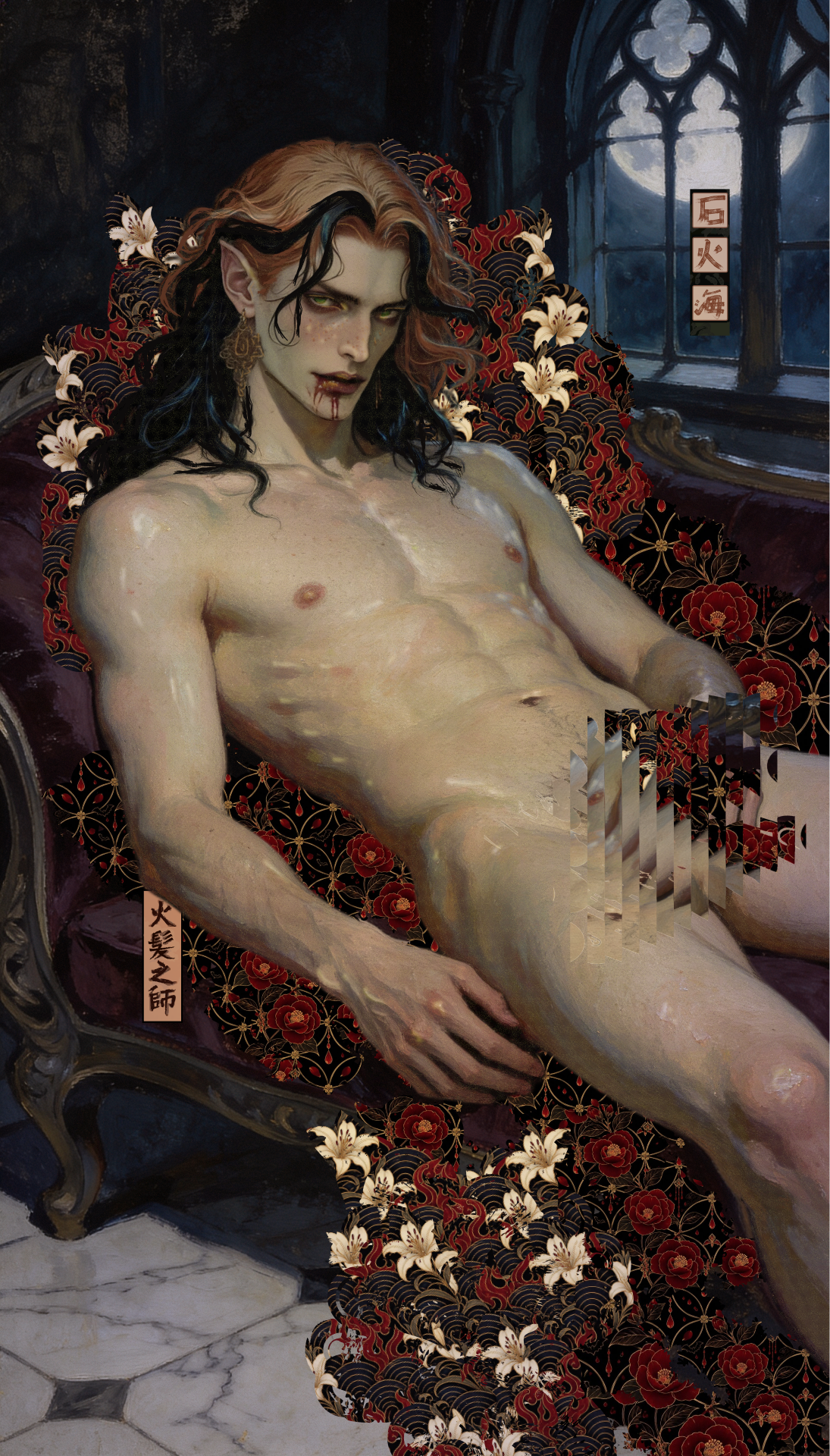
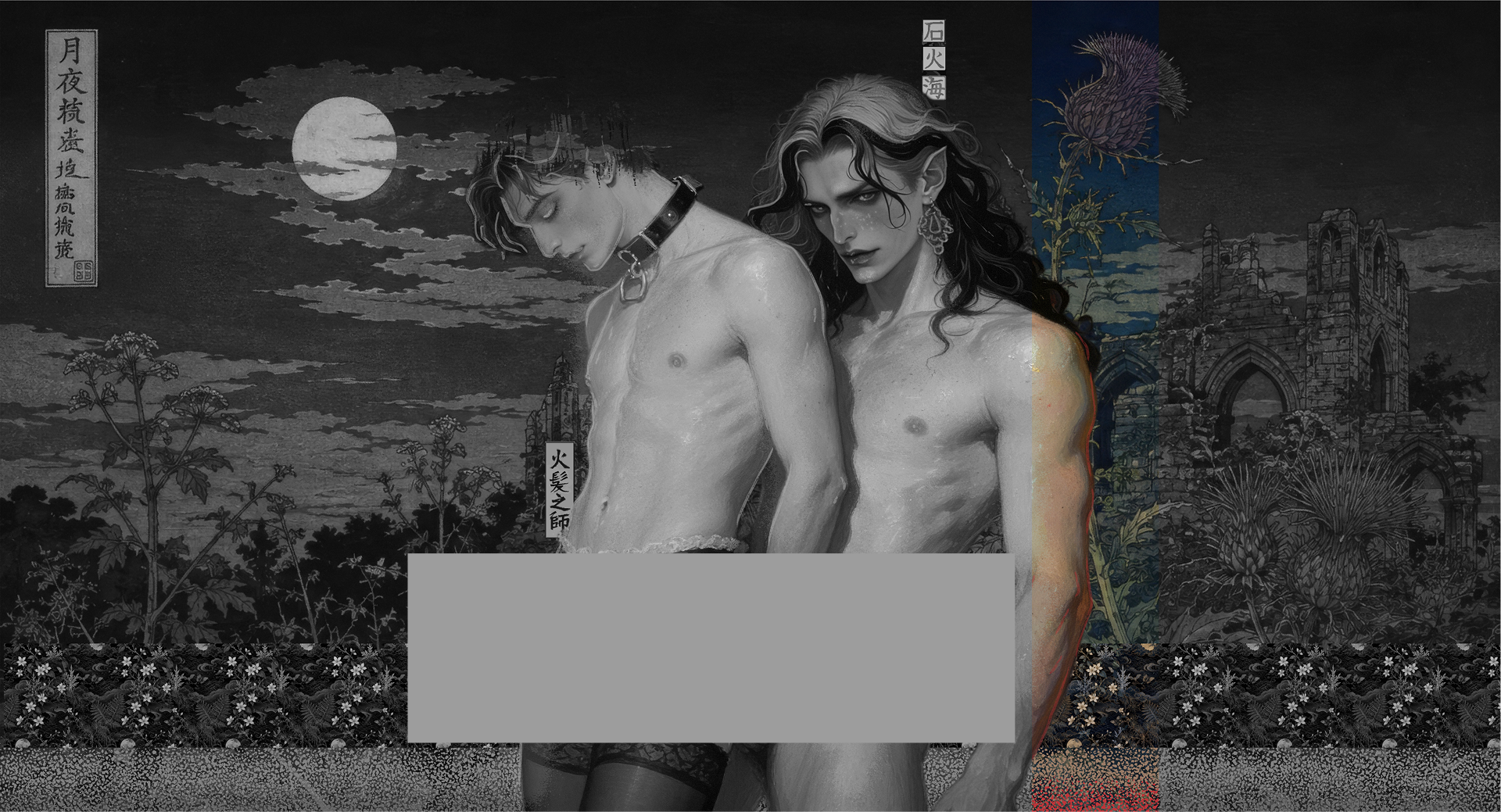
Archival fine art prints and dark figurative illustration from the Curated Art & Prints collection.
Categorical Archetypes: The Five Pillars of Dark Aesthetics
To provide an architectural framework for gallery curation, digital print drops, and exhibition classification at curated.dramance.app, featured works are categorized across five distinct visual archetypes. Browse live examples in the Curated Art & Prints collection.
1. Architectural Linework
Defined by vector precision, drafting grids, technical fineliners, and crisp geometric compositions. Human anatomy is juxtaposed with sharp structural perspectives, generating a feeling of controlled tension, cold elegance, and clinical intimacy. Suited for contemporary urban lofts and minimalist interiors, displayed in smooth matte-black aluminum frames.
2. Chiaroscuro Eroticism
Grounded in Renaissance and Baroque painterly traditions, featuring deep tonal glazes, soft charcoal shading, and dramatic highlights. Figures emerge organically from dense black backdrops under single light sources, evoking mystery, classical drama, and sacred transgression. Complements dark academia interiors, framed in vintage gold-leaf moulding or dark stained wood.
3. Gothic Surrealism
Fuses figurative sensuality with macabre symbolism, skeletal motifs, botanical entanglements, and mythological elements. Combining ink detailing, graphite, gouache, and digital media, this archetype triggers existential wonder, romantic morbidity, and subconscious fascination. Best displayed on archival deckled-edge paper within dark oak frames.
4. Minimalist Restraint
Emphasizes extreme visual economy, utilizing gesture lines, sumi ink strokes, and sweeping negative space. The figure is subtly suggested rather than fully rendered, prompting the viewer's imagination to complete the composition through cognitive synthesis. Ideal for modern residential spaces, framed in light bleached oak with museum glass.
5. Heavy Ink & Shadow
Characterized by raw physical texture, dense india ink saturation, compressed charcoal, and expressive, pooling shadow masses. Visual friction and visible medium bleeds evoke primal urgency, tactile sensory arousal, and unfiltered emotional release. Displays exceptionally well in industrial steel shadow-box frames with float mounts.
| Visual Archetype | Medium & Technique | Emotional & Psychological Trigger | Interior Framing Context |
|---|---|---|---|
| Architectural Linework | Vector precision, technical fineliners, drafting grids | Controlled tension, clinical intimacy, structural elegance | Matte-black aluminum frames in contemporary lofts |
| Chiaroscuro Eroticism | Charcoal shading, deep tonal glazes, Baroque lighting | Classical drama, sacred transgression, atmospheric mystery | Vintage gold-leaf moulding or dark stained wood |
| Gothic Surrealism | Mixed media, india ink, graphite, botanical motifs | Existential wonder, romantic morbidity, subconscious pull | Archival deckled-edge paper in dark oak frames |
| Minimalist Restraint | Gesture lines, sumi ink strokes, sweeping negative space | Cognitive completion, psychological projection, calm focus | Light bleached oak frames with museum glass |
| Heavy Ink & Shadow | Compressed charcoal, pooling india ink, raw textures | Primal urgency, tactile arousal, unfiltered emotional release | Industrial steel shadow-box frames with float mounts |
Conclusion: The Future of Subversive Visual Culture
The revival of dark erotic art and subversive illustration represents a vital reclaiming of depth, narrative complexity, and psychological nuance in modern visual culture. By rejecting hyper-explicit exposure in favor of line-driven restraint and shadow play, contemporary artists are restoring eroticism as a powerful, intellect-driven art form.
As digital curation galleries like curated.dramance.app continue to champion decentralized creators and curate archival print collections, dark figurative art will remain at the forefront of contemporary visual aesthetics—confronting taboos, celebrating vulnerability, and offering an enduring alternative to visual saturation.
FAQ
Why does dark line art feel more erotic than photorealism?
Because it withholds. The mind completes the silhouette. Photorealistic saturation leaves nothing for the viewer to do, so the charge drops.
What are the five pillars of dark aesthetics in this essay?
Restraint of the line, philosophical transgression, subculture convergence (BookTok, dark academia), categorical archetypes, and archival print as the object.
How do artists submit to Dramance Curated?
Through the open submissions portal or by tagging work with #DramanceArt. The call is for Dark Romance, Gothic Surrealism, and Subversive Eroticism.